
One major component of LSI curriculum is the opportunity to take Advanced Competencies and Electives. Students may choose from a variety of advanced competencies and clinical electives to become proficient in their specialty. Our goal is to help students prepare for their chosen post-graduate residency programs and ultimately move on to their areas and specialization and practice.
Tenets of the LSI Curriculum
- Early longitudinal practice-based clinical service that allows students to apply classroom knowledge to real patients
- Self-directed learning with multiple assessment methods to provide individualized learning with standardized outcomes
- Coaching with renowned faculty to support strong clinical skills
- Project work that requires critical thinking and synthesis
- Clinical-based problem solving in a team-based environment
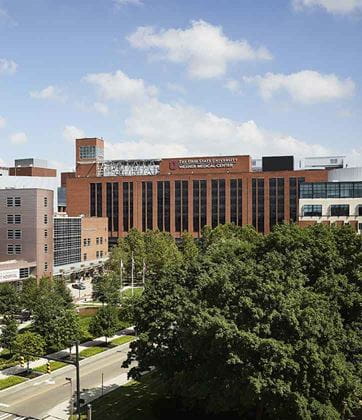
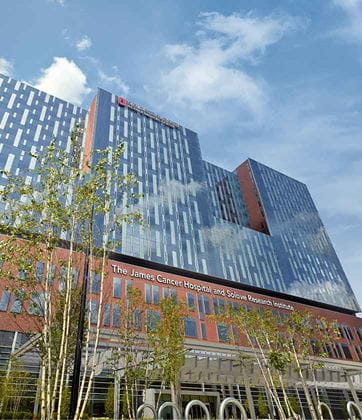
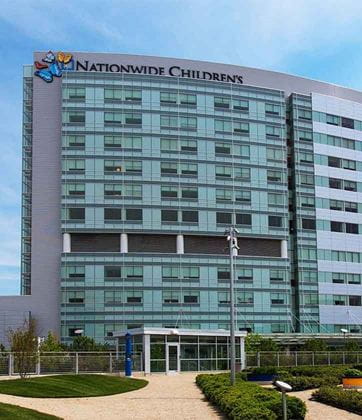
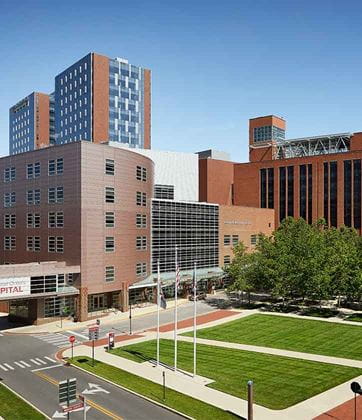
A world-class medical center campus
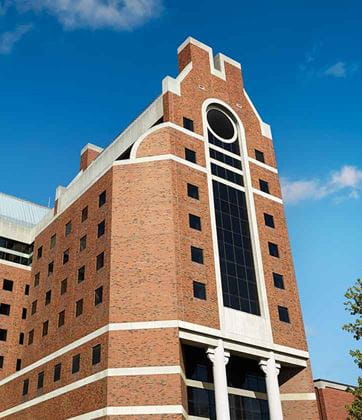
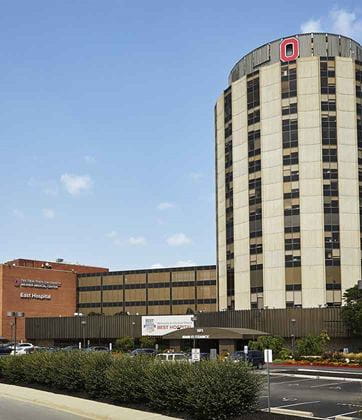
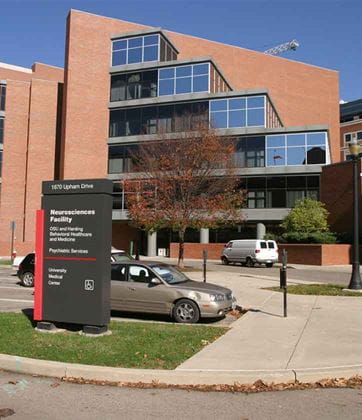
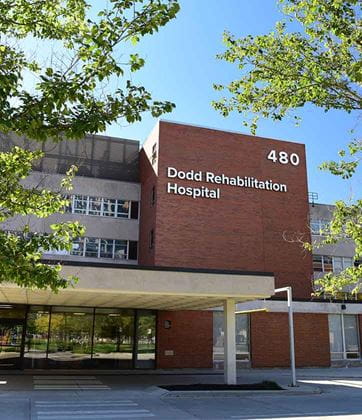
This offers trainees the chance to see patients with a wide array of complex and sometimes rare medical conditions — an opportunity that students don’t have at many other schools. As members of the medical team at Ohio State, our students work side by side with other health care professionals within 8 hospitals located in central Columbus, diagnosing and treating patients as they master the professional and personal skills needed to drive breakthrough health care solutions to improve people’s lives.
Where our students learn

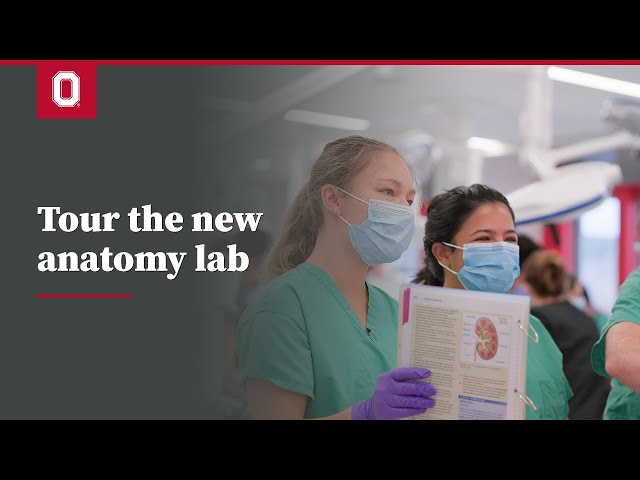
Training for the 21st century physician
As medicine continues to evolve, we constantly seek ways to keep pace and anticipate challenges in the future. That’s why we’ve made a $3 billion investment in our strategic plan, a multi-faceted approach to growth in research, education and culture, among other areas. The plan calls for infill of open sites and renewal of earlier facilities, including Hamilton Hall. The medical school of the future is well underway.
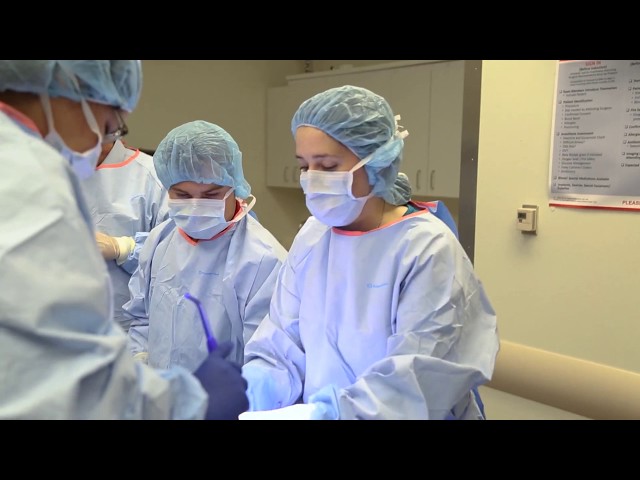
Our curriculum in action
Our innovative Lead.Serve.Inspire. curriculum integrates foundational science with early patient interaction and longitudinal clinical practice, supported by the vast resources of an academic medical center on the campus of a top 10 public research university.
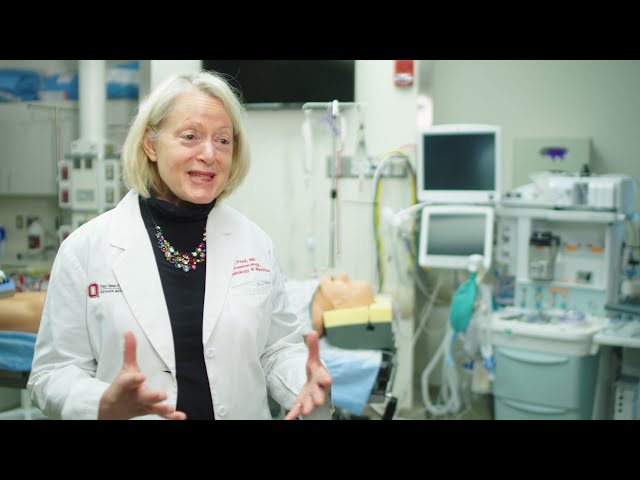
Simulation Center
The Clinical Skills Education and Assessment Center (CSEAC) is a state-of-the-art training center simulating actual patient care experiences. The changing nature of medical practice and national demand for accountability in medical education highlight the need for a leading-edge clinical skills center.

Community Service Opportunities
As a medical student at Ohio State, you will develop the competence to provide outstanding care to patients of all backgrounds. Through community events, student run free clinics and many student organization opportunities, you have a variety of opportunities to provide care and resources to patients in the community.