
Anthony King, PhD
Associate Professor
Psychiatry
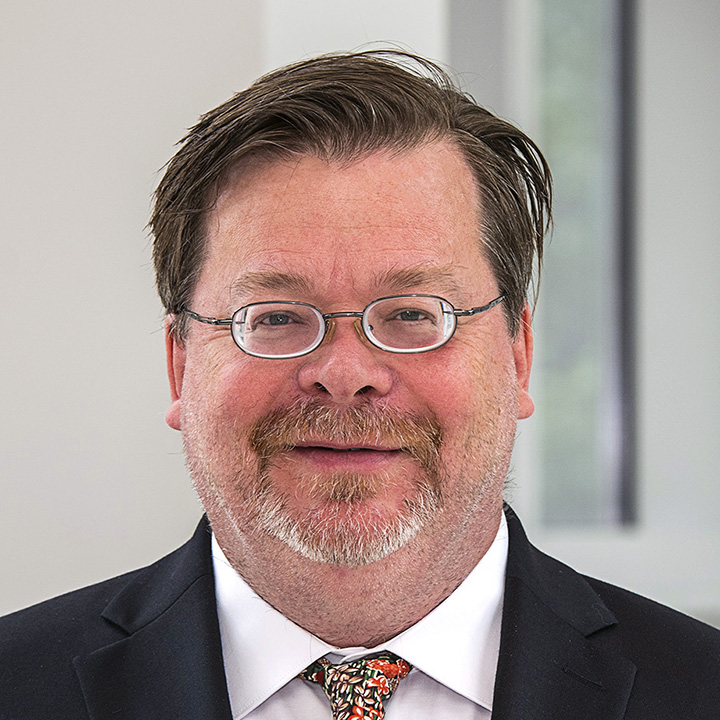
Academic contact
Academic information
- Department: Psychiatry
- Division: Health Psychology
Leadership titles
- Director of Program for Resilience
- The Anne K. "Nancy" Jeffrey Endowed Professor for Mental Health Equity and Resilience
Research interests
- Psychological Resilience
- Psychedelic- and ketamine-assisted therapy
- Neural mechanisms of PTSD and psychotherapy interventions for stress-related disorders
- Mindfulness- and compassion-based interventions for depression and PTSD
- Neuroimaging and large-scale neural network connectivity
About
Biography
I am the Director of the Program for Resilience and hold The Anne K. “Nancy” Jeffrey Endowed Professorship for Mental Health Equity and Resilience. I am a neuroscientist and licensed psychologist/psychotherapist committed to clinical and translational research aimed at understanding the processes underlying risk and resilience for mental health. I study the neurobiological mechanisms that make psychotherapies effective, and I am dedicated to developing improved, accessible, neuroscience‑based treatments for stress‑related disorders such as PTSD and depression. I serve as the co‑Chair of the ENIGMA‑Meditation Working Group, an international consortium focused on meditation and mindfulness‑based intervention research. I am nationally certified in Mindfulness‑Based Cognitive Therapy (MBCT), the Cognitive Behavioral Analysis System of Psychotherapy (CBASP), and Psychedelic‑Assisted Therapy (PAT), and I am involved in clinical trials of ketamine‑ and psilocybin‑assisted therapy for psychiatric patients.
Credentials
Education
- Fellowship - Psychology
-
University of Michigan Hospitals, Ann Arbor, MI, United States
1/1/2016 - 7/1/2017 - Doctor of Philosophy - Clinical Psychology
-
Fielding Graduate University, Santa Barbara, CA
4/1/2008 - 8/11/2015
Research
Research interests
- Psychological Resilience
- Psychedelic- and ketamine-assisted therapy
- Neural mechanisms of PTSD and psychotherapy interventions for stress-related disorders
- Mindfulness- and compassion-based interventions for depression and PTSD
- Neuroimaging and large-scale neural network connectivity
I am focused on advancing the design, testing, and implementation of effective, efficient, accessible neuroscience‑based psychotherapy interventions for psychiatric disorders, as well as empirically supported approaches for nurturing resilience and mind‑body and positive psychology interventions for people exposed to adversity and stressful life events.
I use functional MRI neuroimaging, EEG, psychophysiological, and epigenomic tools and approaches to understand the neural mechanisms within psychotherapies for PTSD and depression, including cognitive‑behavioral, mindfulness‑based, and psychedelic treatments.
I research the effects of lifespan and early life adversity on the brain, autonomic nervous system, and stress hormone and immune systems, and I have strong interest in how these effects could explain the connection between childhood adversity and substantially elevated health risks. I am a member of the Psychiatric Genomics Consortium PTSD Subcommittee and the ENIGMA‑PGC PTSD Neuroimaging Consortium. Through this work, I seek to identify ecological and modifiable social, behavioral, and cognitive‑affective factors that maximize resilience and may support improved interventions.
I am interested in understanding how mind‑body educational approaches and interventions like mindfulness, yoga, and other traditional and indigenous approaches may be useful for building resilience and buffering or ameliorating the effects of adversity in both children and adults, among our patients facing stressful conditions, and in the community.
I am author or co‑author of over 60 peer‑reviewed publications in high‑impact journals, and my research has been funded by NIMH, NCCIH, NSF, the U.S. Department of Defense, and the Mind and Life Institute.