Featured expert
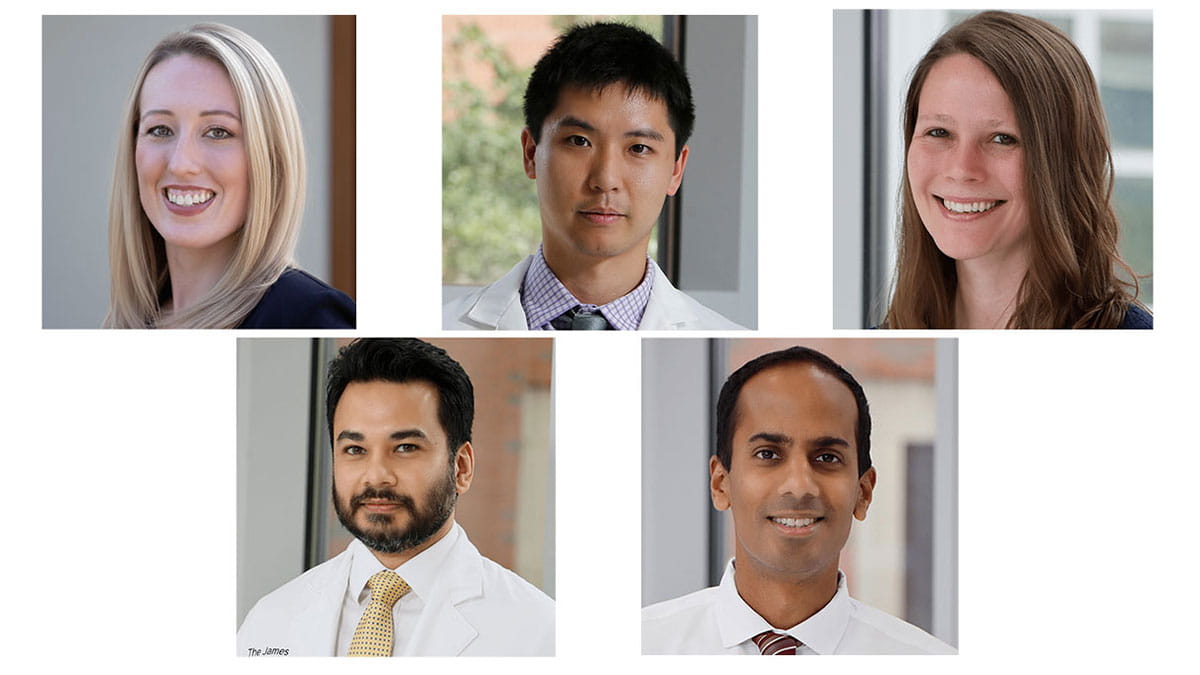
- John Carl Barba II, MD, MPH, dermatology resident, The Ohio State University Wexner Medical Center

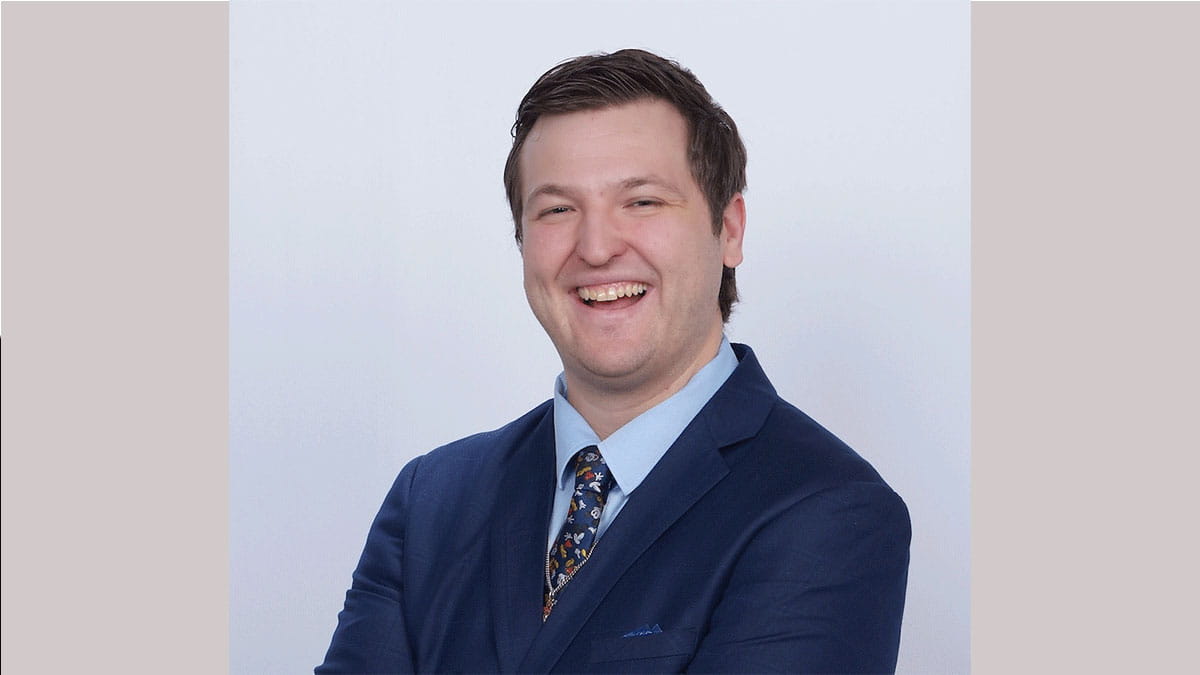
John Carl Barba II, MD, MPH, is a first-generation college student from the Village of Byesville and City of Cambridge, areas in rural Ohio that are in Appalachia. Growing up, he often had less access to health care due to Appalachia’s infrastructure deficits and longer physical distances between appointment locations. He aims to open a rural dermatology clinic and residency program in Appalachia after his residency training at The Ohio State University College of Medicine. His research focuses on the intersection of place, poverty and health disparities. He’s working on specific interventions that address barriers to care and increase access to preventive care and screenings, while pioneering a rural academic dermatology residency model in Ohio’s Appalachia region.
During the recent Clinical Translational Science Institute annual meeting, he shared his firsthand experience of living in an area characterized by its lack of health care services. The area lacks physical offices and also lacks telehealth services because fewer people own computers or other devices, and there are fewer internet/cell towers.
When he reviews the health statistics of his home region, he does not see numbers -- he sees the faces of friends, family, and fellow Appalachians who make up these statistics. Barba wants to bring a rural dermatology clinic to the area but also wants to help provide broader health care.
Mail-based care:
Creating Health Infrastructure:
Overall, these solutions can help improve health care in rural communities. Dr. Barba also hopes to inspire generations to believe that by working together, they can improve their lives.