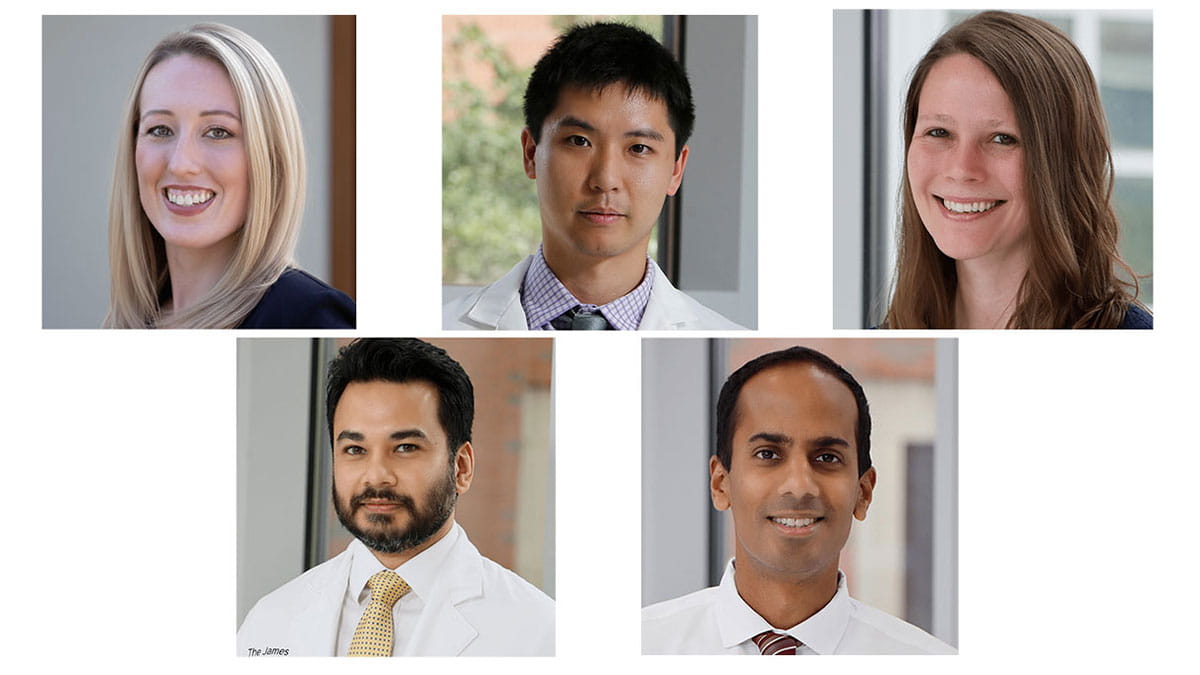
Two College of Medicine students fill spots on University Board of Trustees

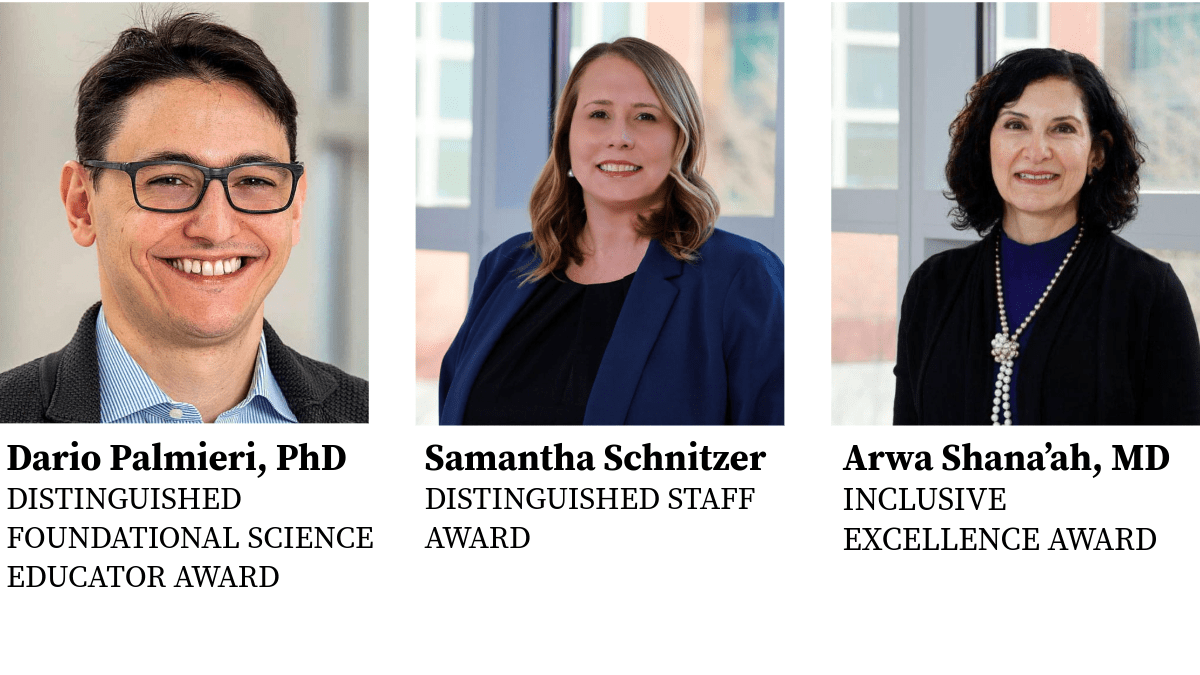
My goal is to deliver dynamic lectures, which include enthusiastic and well-structured instruction that encourage meaningful scientific discussions. This is imperative in the delivery of the college’s Lead.Serve.Inspire. foundational curriculum and the Biomedical Sciences Graduate Program (BSGP) 7000 series. Serving as a role model for shaping how cancer biology and genetics are taught continues to bring me much joy and personal and professional fulfillment. I am passionate about developing new tools to study cell biology, especially using CRISPR-based approaches.
By connecting with learners and building relationships that allow me to deliver high-quality education that resonates with learners in different ways and furthers our insight into biology so we can all work to develop new therapeutic approaches. I tailor and implement curriculum that aligns with current scientific advancements and industry needs which enhances our program’s relevance and rigor.
I implemented a comprehensive virtual recruitment strategy that not only preserved but enhanced the department’s ability to attract exceptional trainees, thereby upholding its tradition of excellence. In parallel, I led the successful transition of in-person educational activities to high-quality virtual formats. I believe my leadership ensured that the department maintained its rigorous educational standards while adapting to the challenges of a rapidly changing learning environment.
My commitment to education, inclusivity, and innovation has positioned me as a leader in advancing educational programming and enhancing trainee recruitment within the Department of Radiology. Through extensive experience and forward-thinking leadership, I have fostered an environment where both learners and educational staff are empowered to thrive in a continually evolving field. This dedication has been recognized nationally, culminating in my receipt of the 2025 Association of Program Coordinators and American College of Radiology Outstanding Coordinator of the Year Award.
It began with the Women in Medicine and Science (WIMS) group where I served as chair and co-chair of the WIMS Awards and Events Subcommittees. I was then appointed as DEI director and vice chair for Pathology where I helped launch grand rounds on DEI topics, arranged DEI focused workshops and organized lunch-and-learn events and Taste of Pathology potluck, all of which were very well attended and highly appreciated by faculty, trainees and staff.
I lead implicit bias training related to recruiting trainees that focuses on raising awareness, reflection, providing practical skills and fostering ongoing learning and accountability. This work builds a sense of equity and community in our department. I initiated outreach to schools with underserved children to raise awareness of careers in science and medicine. I even created a credit system for the curriculum where each resident receives points based on participation in DEI initiatives.
By addressing gender equity, recruitment and retention, awards and recognition, and career advancement. We do this by maintaining a transparent and accessible membership model with three tiers — general, advocate/ally and subcommittee — all with the goal of supporting the mission to identify and actively reduce barriers to the professional success of women in medicine and science.