Featured expert
- Rami Kahwash, MD, professor of Advanced Heart Failure and Transplant Cardiology, Cardiovascular Disease at The Ohio State University College of Medicine.

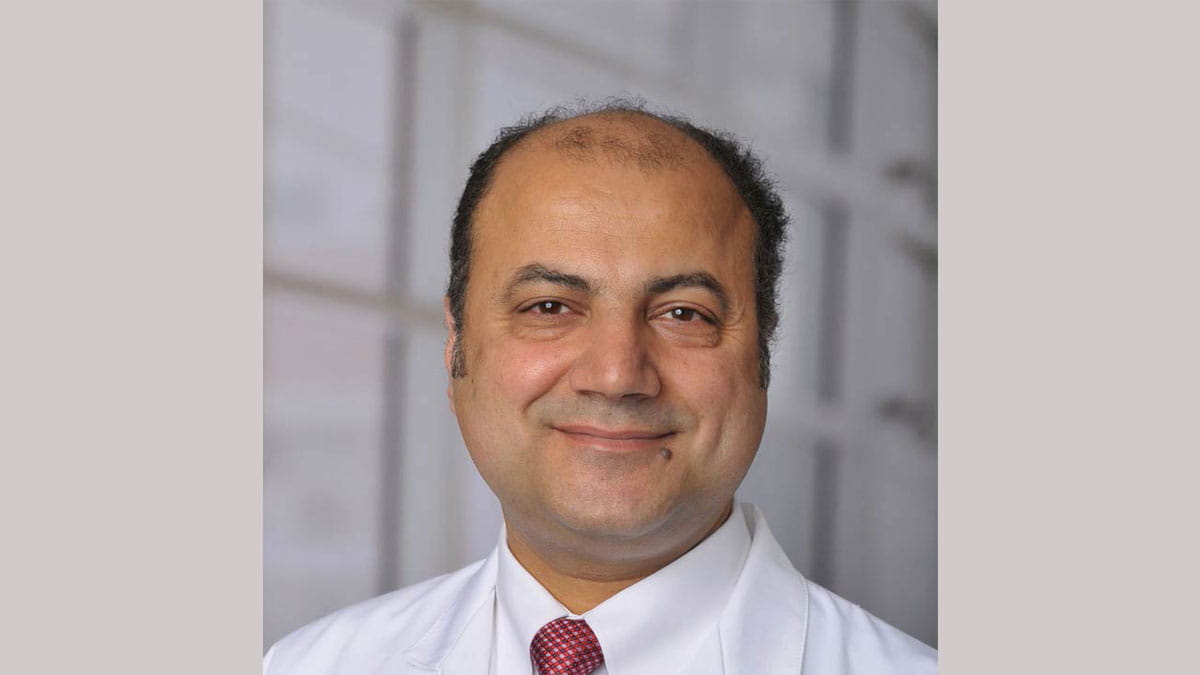
Rami Kahwash, MD, has simultaneously published two original research articles in the Journal of the American College of Cardiology highlighting findings from the ALLEVIATE-HF trial – one of the largest studies to-date examining advanced monitoring strategies in heart failure – that included examination of personalized, risk-based, nurse-managed interventions. Together, the findings provide a more comprehensive model for cardiologists managing heart failure, a complex condition that affects millions of patients; the findings also provide a more proactive and data-driven approach to cardiovascular care.
Heart failure affects more than 6 million adults in the United States, increasing the risk of arrhythmias due to structural and electrical remodeling, elevated filling pressures and myocardial fibrosis. More than 700 patients with heart failure were enrolled in the ALLEVIATE-HF clinical study which showed that more than 3 in 4 heart failure patients (77%) implanted with a Reveal LINQ™ insertable cardiac monitor (ICM) experienced arrhythmias within two years. Results showed that:
These insights bring to light the existing severity of burden of arrhythmias in a broad group of heart failure patients, leading to significantly higher treatment rates. They also show that patients could benefit from:

2 faculty members receive $3.3M grant to advance understanding of cardiac development and disease in Down syndrome

Alumni Society presents awards recognizing distinguished career achievements in practice and teaching of medicine
Castle Connolly names 598 Ohio State faculty physicians as 2026 “Top Doctors"