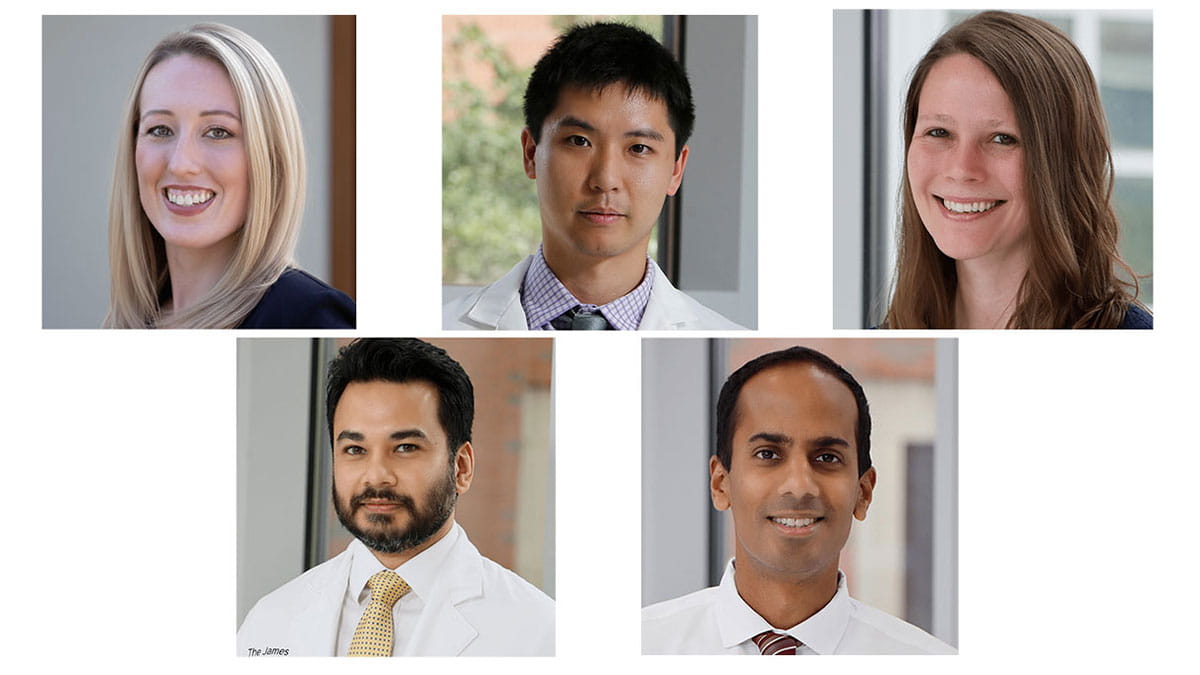
Featured expert
- Miqdad Dhariwala, PhD, assistant professor in the Department of Microbial Infection and Immunity, Department of Dermatology

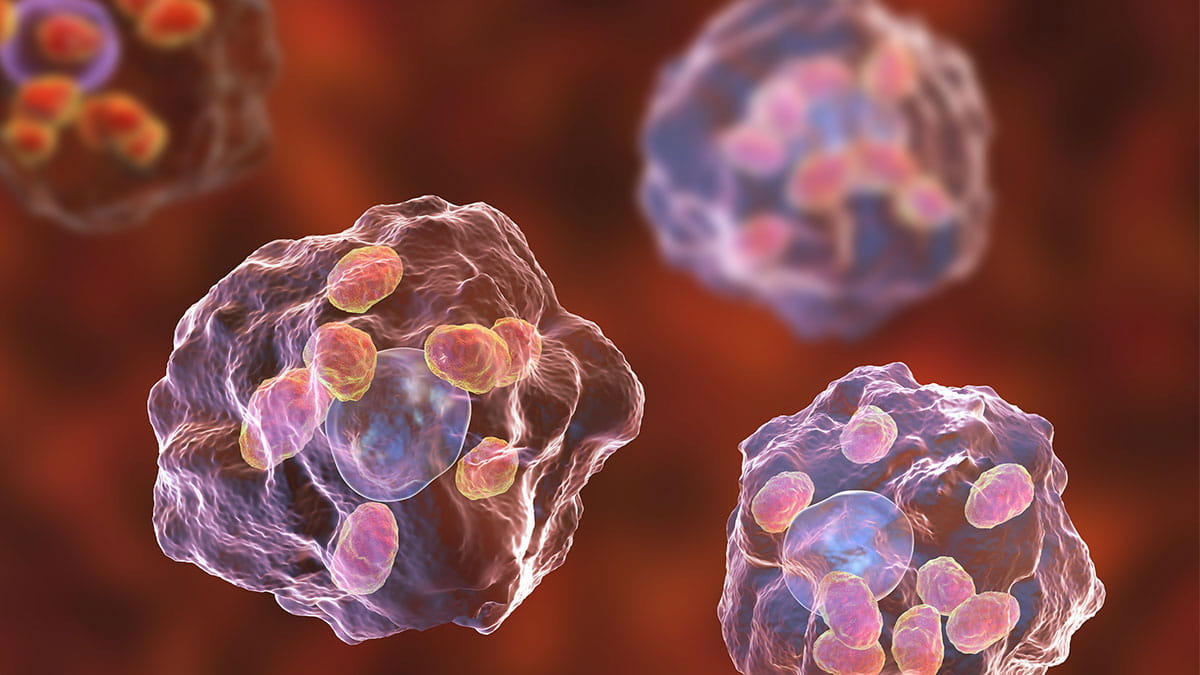
The hygiene hypothesis connects being exposed to microbes early in life with training the immune system to be stronger throughout life. And it argues that limiting exposure to microbes in childhood dysregulates the immune system, causing it to be prone to chronic inflammation and lead to disease outcomes like allergies and asthma later in life. We may not yet have a complete molecular-level understanding of how microbiomes train the immune system for optimal health, but we do know early-life, microbe-immune interactions on barrier surfaces, like a newborn’s skin, have lasting health impacts. And that when healthy microbiomes are absent, it can trigger a trajectory toward inflammation and disease.
Recent research by Miqdad Dhariwala, PhD, and his group, titled “Commensal-myeloid Crosstalk in Neonatal Skin Regulates Interleukin-1 Signaling and Cutaneous type 17 Inflammation,” was just published in the journal Immunity. The study examines the interactions of myeloid immune cells, which are the primary sensors of microbial presence, with commensal, or friendly, microbes during early-life and its impact on long-term tissue health. Commensal microbes colonize barrier surfaces on or within the human body and benefit from the host environment while also rendering benefits to host health. Dhariwala and his group demonstrate that commensal microbes recruit classical monocytes to neonatal skin and interact with and integrate those signals, playing essential roles in health and immunity. Through a deep examination of the biology of microbes, this research revealed:
By demonstrating the unique functionality of monocytes during early life, Dhariwala and his laboratory colleagues at The Ohio State University Wexner Medical Center are determined to reveal the molecular mechanisms that govern microbial training of immune function in neonatal barrier tissues. Dhariwala received the prestigious National Institutes of Health Pathway to Independence Carrer Transition K99/R00 Award, which has helped him launch his independent research program here at Ohio State.