Featured expert
- Kymberly Gowdy, MS, PhD, associate professor of Internal Medicine in the Division of Pulmonary, Critical Care and Sleep Medicine at The Ohio State University College of Medicine.

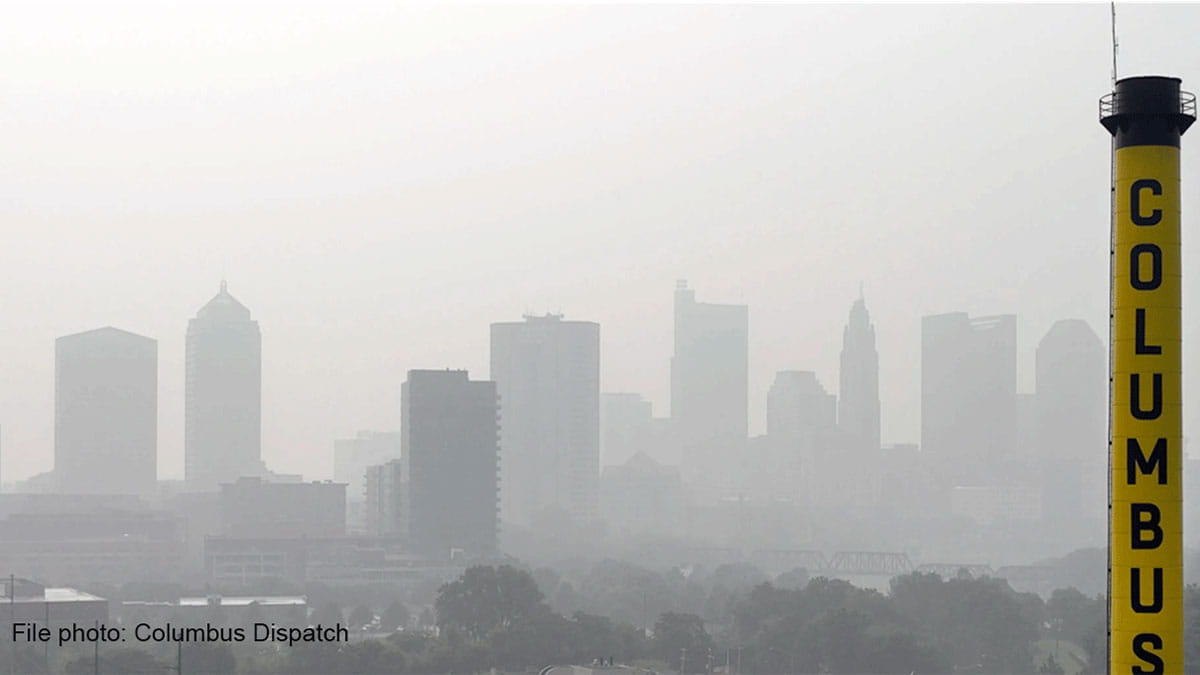
Globally, air pollution is responsible for a significant portion of premature deaths, healthcare visits and economic loss. Kymberly Gowdy, MS, PhD, associate professor of Internal Medicine in the Division of Pulmonary, Critical Care and Sleep Medicine at The Ohio State University College of Medicine, just received an R21 grant from the National Institute of Environmental Health Sciences to expand research on the health effects of ozone, a criteria air pollutant, on lung injury and inflammation in people with obesity.
Forty-two percent of people in the United States have a body mass index that is considered obese, leading to them exhibit enhanced sensitivity to air pollution, including ozone. People with obesity also have increased circulating levels of n-6 polyunsaturated fatty acids (PUFAs). One PUFA abundant in the western diet is linoleic acid (LA), which is a fatty acid only taken in through diet.
LA in the diet has been associated with both beneficial and detrimental health effects, but its influence on lung inflammation and health effects of air pollution is currently understudied. Dr. Gowdy and her team will examine if a high intake of LA increases distinct oxidized linoleic acid metabolites (OXLAMs) which can influence inflammation, with the aim to develop ways to mitigate obesity-exacerbated lung inflammation and injury.
In this study, they will rely on laboratory models and human bronchoalveolar lavage and plasma samples from individuals with a differential of body mass indexes to show:
This research and any of its resulting findings have the potential to pave the way for innovative, precision nutrition approaches that combat the adverse health effects of air pollution, and more broadly to impact other types of lung inflammation or injury.

2 faculty members receive $3.3M grant to advance understanding of cardiac development and disease in Down syndrome

Alumni Society presents awards recognizing distinguished career achievements in practice and teaching of medicine
Castle Connolly names 598 Ohio State faculty physicians as 2026 “Top Doctors"