Featured expert
- Brent Henderson, third-year medical student at The Ohio State University College of Medicine.

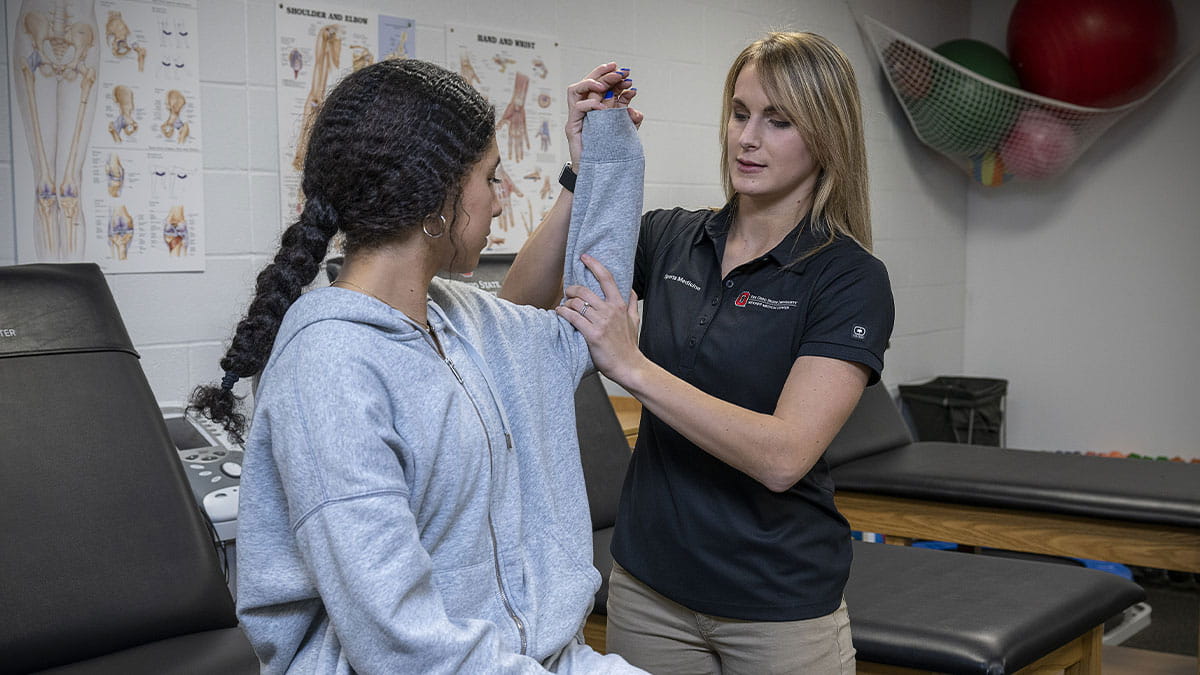
Body mass index (BMI) is a critical, yet unexplored determinant of the result and success of surgery completed on the shoulder. Elevated BMI is associated with altered joint biomechanics, increased periarticular stress and systemic inflammation, all of which may adversely impact surgical stabilization outcomes, patient recovery and patient reoperation rates.
In the study “Impact of Elevated BMI on Shoulder Stabilization Outcomes and Recurrence Rates,” Brent Henderson, a third-year medical student at The Ohio State University College of Medicine, examined how shoulder stabilization surgery is found to be an effective intervention across all BMI cohorts, even though BMI influenced some range of motion measurements that were deemed to not be clinically significant. The findings show that: