Featured expert
- Yutong Zhao, MD, PhD, professor of Physiology and Cell Biology and Internal Medicine at The Ohio State University College of Medicine.


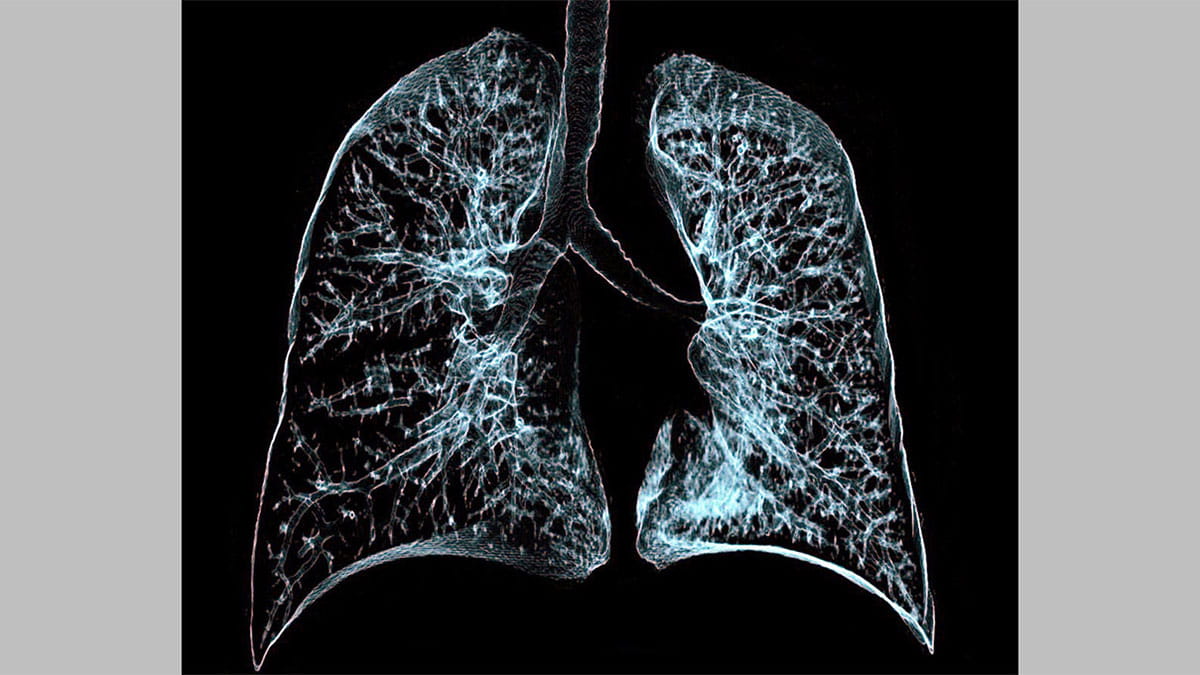
Idiopathic pulmonary fibrosis (IPF) is a chronic, progressive lung disease characterized by scarring, also called fibrosis, which reduces lung function over time. As scarring of lung tissue gradually worsens, patients experience increasing breathlessness, coughing and reduced oxygen levels. Despite advances in antifibrotic therapies, most people diagnosed with IPF have an average life expectancy of about three to five years after their diagnoses.
Yutong Zhao, MD, PhD, professor of Physiology and Cell Biology and Internal Medicine at The Ohio State University College of Medicine, former graduate student Qinmao Ye and Zhao laboratory colleagues have together identified a novel molecular pathway involved in the development of pulmonary fibrosis and recently published this discovery in the journal Signal Transduction and Targeted Therapy.
The group’s research examines the molecular mechanisms underlying IPF pathogenesis and includes:
These findings show that preserving BMPR2 stability so it can continue sending signals that restrain fibrosis could become a new therapeutic target for idiopathic pulmonary fibrosis and could advance other novel therapeutic strategies for IPF and other fibrotic lung diseases.