Featured expert
- Mahmood Khan, PhD, MPharm, professor of Emergency Medicine, director of the Division of Basic and Translational Sciences in the Department of Emergency Medicine

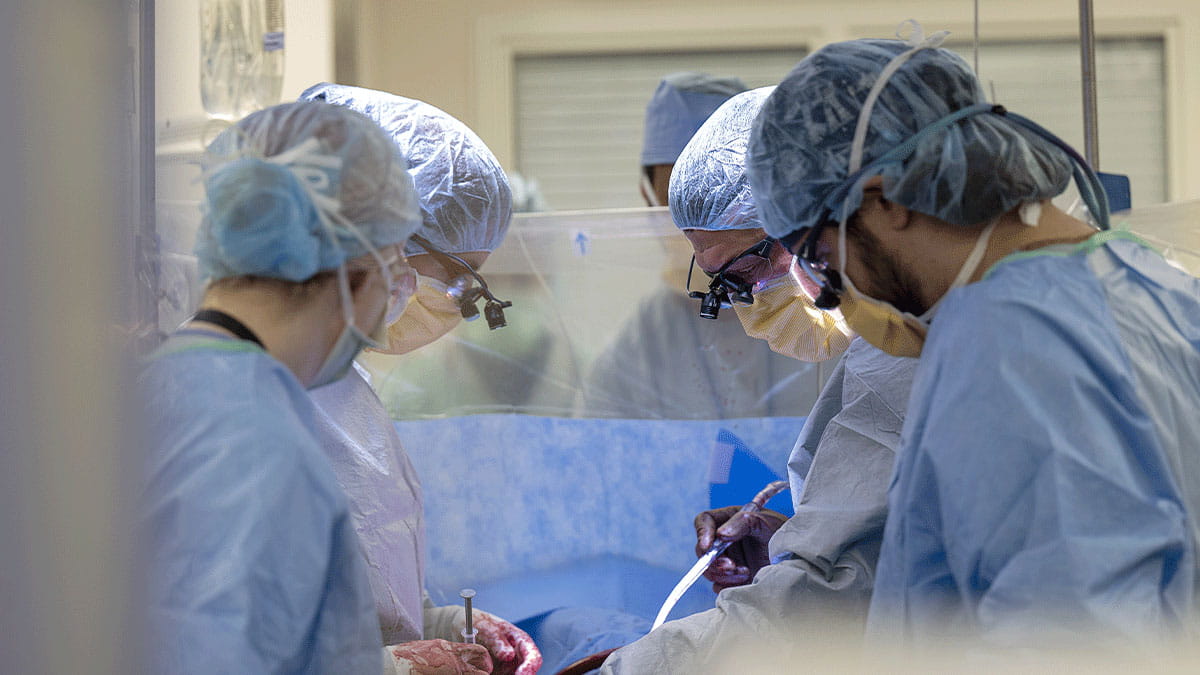
Myocardial infarction (MI) is a leading cause of death in the United States. To study promising strategies for regenerating the damaged heart tissue post-MI, Mahmood Khan, PhD, MPharm, and his team of researchers examined the potential of human induced pluripotent stem cell-derived cardiomyocytes (hiPSC-CMs) and cardiomyocyte engraftment. Their findings, titled “Safety and Engraftment of Aligned Cardiac Patches Loaded with hiPSC-CMs in a Large Animal Model of Myocardial Infarction,” were recently published in Theranostics.
In the past, engraftment after transplantation into ischemic myocardium has been a major barrier in cardiac patch and cell-based heart repair strategies. But in this work, the team developed a favorable safety profile that produced evidence of cardiomyocyte engraftment through:
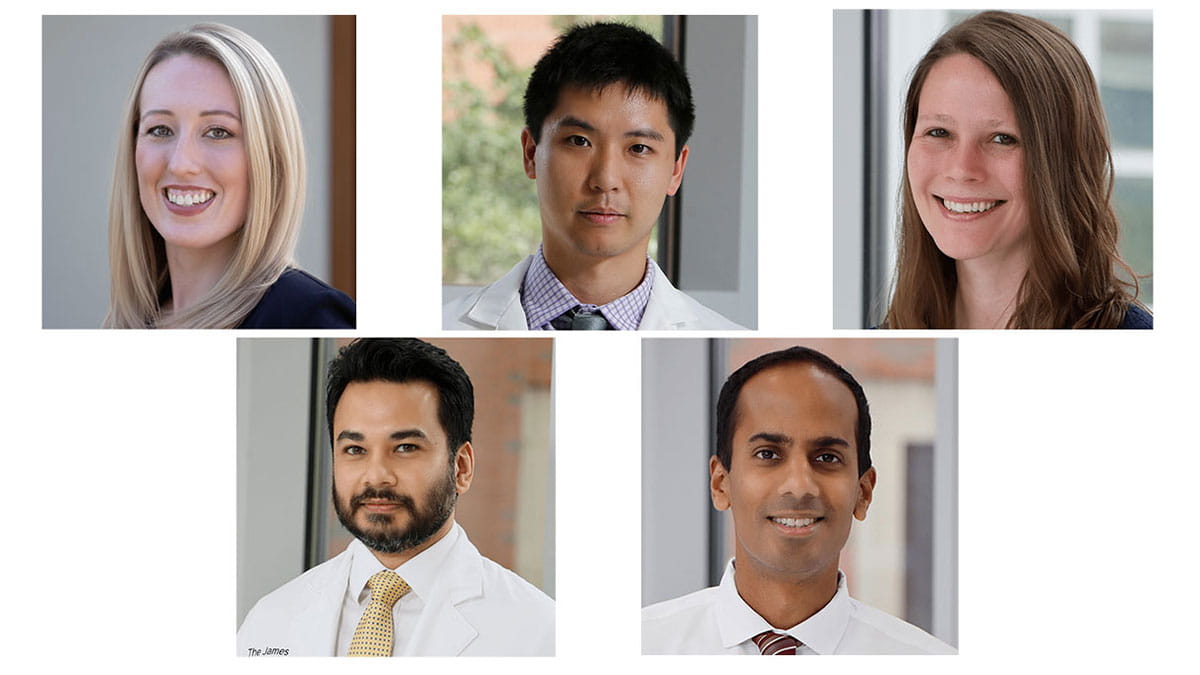
The team includes: Divya Sridharan, PhD, research scientist; Muhamad Mergaye, MS, lab manager; Syed Alvi, PhD, postdoctoral researcher; Syed Ashraf, former student assistant; and Helena Islam, MS, postdoctoral scholar, all in the Department of Emergency Medicine. Konstantinos Dean Boudoulas, MD, clinical professor of Internal Medicine; Yuchi Han, MD, professor of Internal Medicine; and Salman Pervaiz, research senior technician in the Department of Internal Medicine. Nikita Nair, student assistant in the Department of Radiology; Orlando Simonetti, PhD, professor of Radiology; and Juliet Varghese, PhD, assistant professor of Radiology. Matthew Joseph, senior research associate in the Davis Heart and Lung Research Institute; Heather Powell and Britani Blackstone in The Ohio State University College of Engineering; and Robert Hamlin, DVM, PhD, in the Ohio State College of Veterinary Medicine.