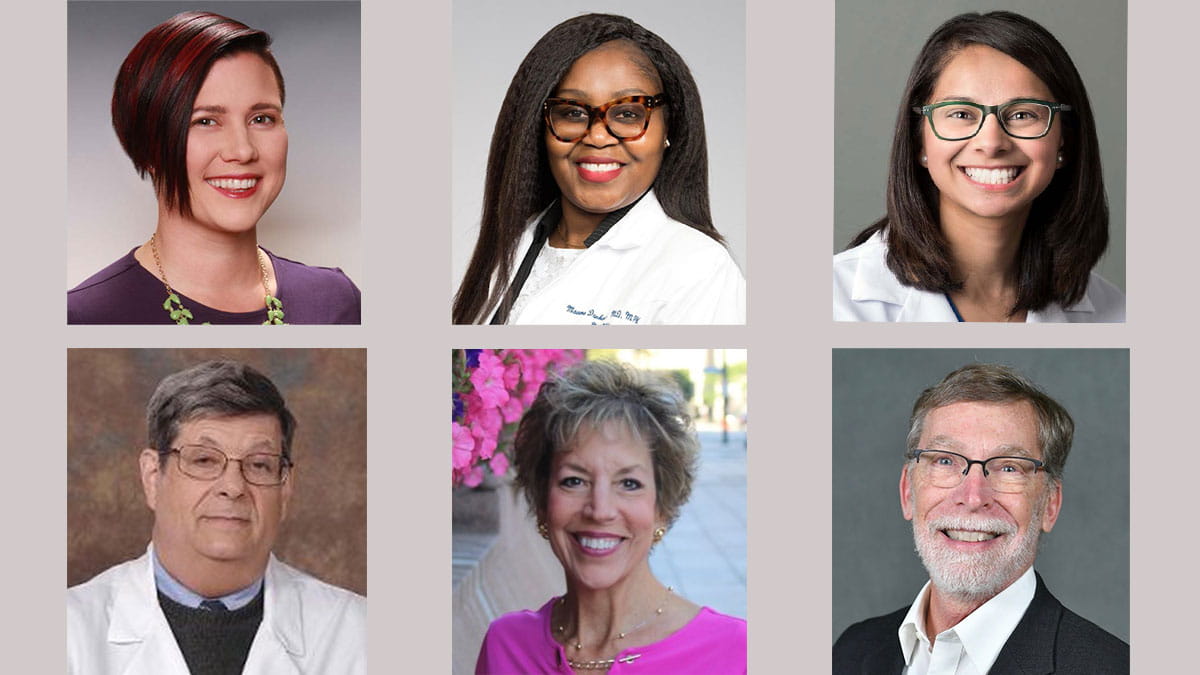
Katherine Mifflin, PhD, research scientist and Isabella Palazzo, PhD, post-doctoral scholar in the Department of Neuroscience at The Ohio State University College of Medicine, investigate the aberrant neuro-immune crosstalk and adverse effects caused by spinal cord injury (SCI). They’ve received significant funding to examine how SCI changes the immune system’s ability to repair post injury and the lung’s immune environment that can lead to a higher risk of infection.
Through a grant from the Paralyzed Veterans of America, Dr. Mifflin will examine how altered oral health, specifically changes in the oral cavity microbiota, drives increased risk of respiratory infections after SCI. The data from this study will also provide insights into how the oral cavity microbiome can be manipulated to reduce pulmonary infections following SCI. Overall, this research will examine:
- How changes in salivary protein composition influence oral cavity microflora after SCI through proteomic analysis of host salivary samples before and after injury
- Changes in salivary immune surveillance post-injury and how these changes relate to bacterial burden the lung post-injury.
- A prophylactic antibiotic versus a non-antibiotic oral rinse intervention to restore the altered oral cavity microbiome and reduce lung infection.
Dr. Palazzo recently received the Pathway to Independence Award (K99/R00) from the National Institute of Neurological Disorders and Stroke to define when and how immune cells initially support debris clearance and repair but evolves into chronic inflammation and scarring. The research will examine:
- The causal contribution of immune states to injury progression and recovery and if repair can be promoted not by broad immune suppression, but through precisely timed, cell-specific interventions.
- If temporally targeted immunomodulation can promote repair following SCI and that persistent monocyte-derived macrophages (MDM) presence, driven by prolonged Osteopontin signaling, and maladaptive microglia–MDM crosstalk are bottlenecks to repair.
- When MDM activity is beneficial versus harmful and pathogenicity across the acute, subacute and chronic phases of SCI.
- Direct causal testing to establish a functional framework for how immune cells shape repair, temporal and reciprocal roles of immune populations in vivo to identify therapeutic windows where targeted modulation is most effective and developmental comparisons to uncover molecular drivers of regenerative decline.
Congratulations to Drs. Mifflin and Palazzo for receiving support to advance novel discoveries that could deliver broad implications for neuroinflammatory diseases.