
The Department of Surgery prides itself on being at the forefront of research and academic medicine, but it’s not just the senior faculty making strides. These three junior faculty are making an impact in more ways than one.
Alex Blair, MD: Bridging surgery and science to transform cancer care
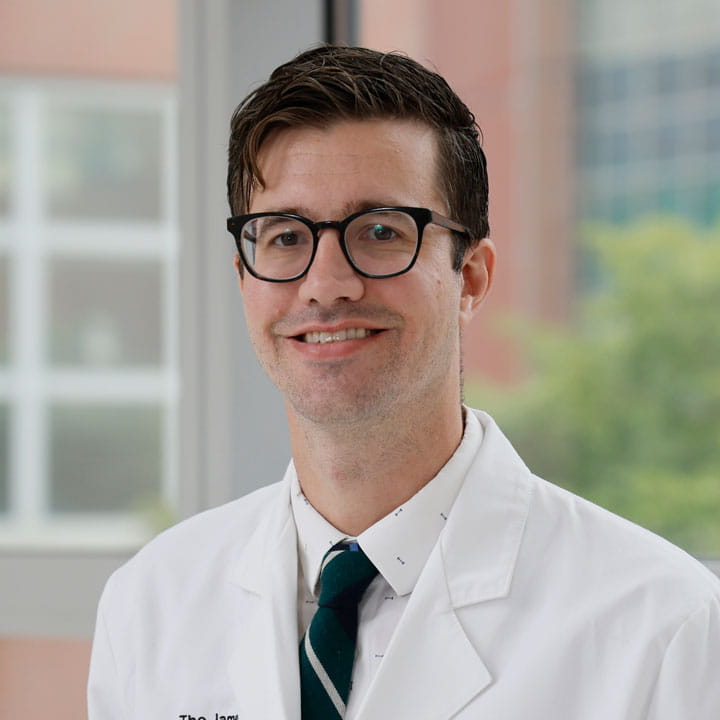 For Alex Blair, MD, assistant clinical professor of Surgery in the Division of Surgical Oncology, the privilege of removing cancer in the operating room is matched only by the opportunity to help patients through research.
“As scientists, we have the opportunity to impact patients beyond just those we operate on,” Dr. Blair says. “I believe innovative medical therapies advanced through translational research is essential to improving outcomes and extending lives of patients with cancer.”
Supported by the Paul Calabresi Career Development Award for Clinical Oncology K12, Dr. Blair’s research focuses on innate immune signaling in pancreatic cancer – a disease notorious for its resistance to therapy. Collaborating with renowned mentor Glen Barber, PhD, FRS, he investigates novel nanoparticles to enhance immune responses in combination with radiation and immunotherapy.
“It’s exciting to ask innovative questions and push past the current standard of care,” he says. “I’m grateful for the collaborative environment at Ohio State that fuels ambitious goals and groundbreaking research.”
Wa Du, PhD: Uncovering molecular mechanisms in vascular disease
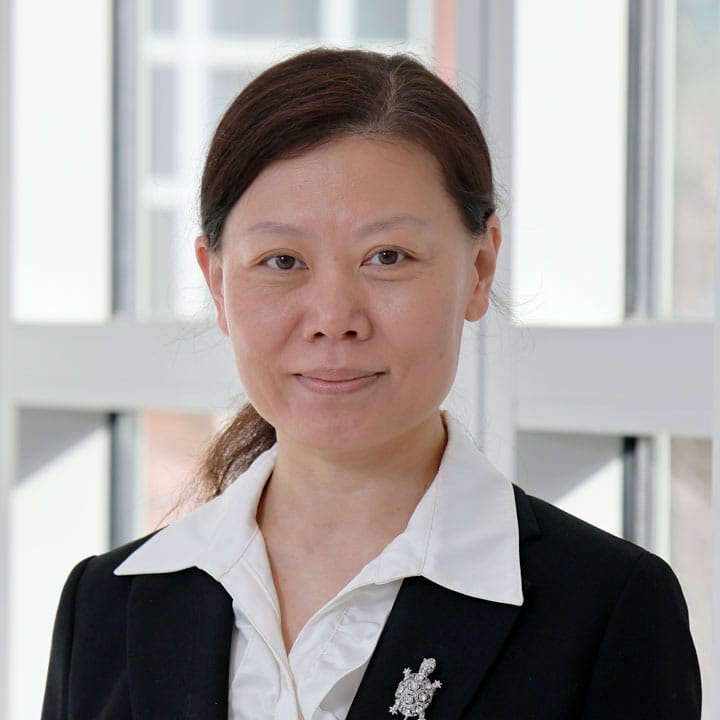 Curiosity about how the human body maintains balance under stress led Wa Du, PhD, assistant research professor of Surgery in the Division of Vascular Surgery, to a career in science. Her research, consistently supported by NIH funding, explores how metabolic stress contributes to endothelial cell damage in chemotherapy-induced cardiomyopathy, diabetic cardiomyopathy and peripheral artery disease.
Dr. Du’s recent work uses high-dimensional omics and wet-lab vascular biology to uncover novel pathways – such as Reelin signaling and IREB2-mediated detoxification – that regulate endothelial dysfunction.
“Independence in science isn’t about working alone,” she says. “It’s about leading discovery with purpose and perspective.”
She finds joy in mentoring young scientists and believes persistence often matters more than brilliance.
“Science isn’t about proving yourself right – it’s about listening to what the data reveal and being curious enough to follow it,” Dr. Wu says. “Every discovery, big or small, reminds me why I chose this path: the joy of uncovering something meaningful for human health and contributing to better treatments for complex vascular diseases.”
Sara Myers, MD, PhD: Championing patient-centered research in breast cancer
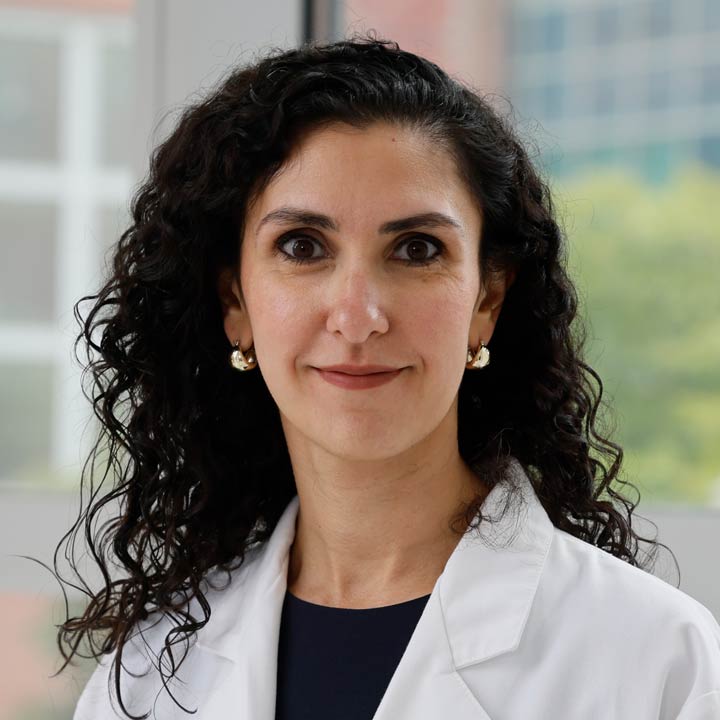 The intersection of clinical urgency and scientific curiosity inspired Sara Myers, MD, PhD, assistant professor of Surgery in the Division of Surgical Oncology, to pursue a dual career as a surgeon-scientist.
“The desire to not only treat but also understand and improve outcomes through research is what drew me to being a surgeon-scientist,” she says.
Dr. Myers is driven by the challenges faced by young adults with early-onset breast cancer. Her research, recognized by an ASCO Conquer Cancer grant, investigates how reducing breast cancer-related lymphedema may help mitigate financial toxicity, a project deeply rooted in patient experiences. She emphasizes the importance of translating clinical observations into meaningful, patient-centered research questions.
When it comes to being a surgeon-scientist, Dr. Myers says, “It means constantly toggling between precision and possibility. Surgery demands decisiveness, while science thrives on uncertainty. Balancing both has taught me resilience, patience and the value of long-term vision. It’s a career path that challenges you to be both deeply technical and endlessly curious.”