Featured experts
- Suci Anatasia Nazier, PhD student in the Department of Physical Therapy at The Ohio State University.
- Elizabeth Maus, DPT, Clinical Research Physical Therapist in the Department of Physical Therapy at The Ohio State University.

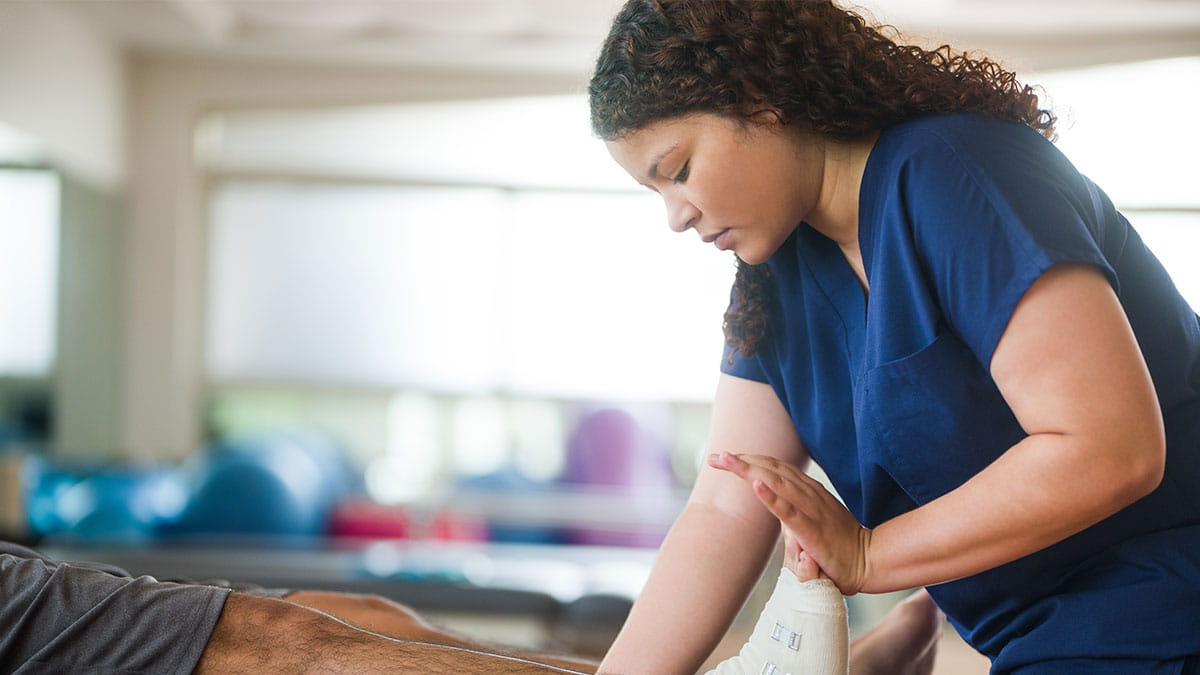
If you have cerebral palsy (CP), rehabilitation therapy is vital to improving mobility, balance and muscle strength, essential factors you need in daily living. International guidelines for recommended doses of therapy exist, yet patients in both developing countries, and developed ones like the United States, have trouble meeting them.
A group of researchers in the Department of Physical Therapy at The Ohio State University completed a study titled “Rehabilitation and Dosing Practice for Individuals with Cerebral Palsy in Indonesia: A Survey of Physiotherapists and Occupational Therapists,” that compares therapy dosage in this location where prevalence is high and practice is understudied. It was just published in Disability and Rehabilitation.
Suci Anatasia Nazier, a PhD student in the Department of Physical Therapy at The Ohio State University and the study’s first author, says they developed an anonymous online survey based on existing literature. A total of 233 Indonesian physiotherapists and occupational therapists completed it, capturing and correlating dosage perceptions and perceptions of service-related factors. Experts then validated the data using descriptive statistics and correlations.
Findings show that:
Elizabeth Maus, DPT, says Nazier’s thoughtful perspective and “why” questions push the team’s clinical and research assumptions in productive and novel ways which will broaden research to expand healthcare access for children with disabilities in Indonesia and beyond. Working together in the Pediatric Assessment and Rehabilitation (PEARL) Laboratory at The Ohio State University College of Medicine under the mentorship of lab director Jill Heathcock, MPT, PhD, has helped these researchers cultivate a space for professional and personal growth that validates the challenges of navigating a demanding academic path.

2 faculty members receive $3.3M grant to advance understanding of cardiac development and disease in Down syndrome
Alumni Society presents awards recognizing distinguished career achievements in practice and teaching of medicine
Castle Connolly names 598 Ohio State faculty physicians as 2026 “Top Doctors"