
The Division of Colon and Rectal Surgery, in partnership with Nationwide Children’s Hospital, is leading the way in lifelong care for patients with congenital colorectal conditions. The Colorectal Transitional Care Program is transforming outcomes and quality of life for individuals born with anorectal malformations and Hirschsprung disease.
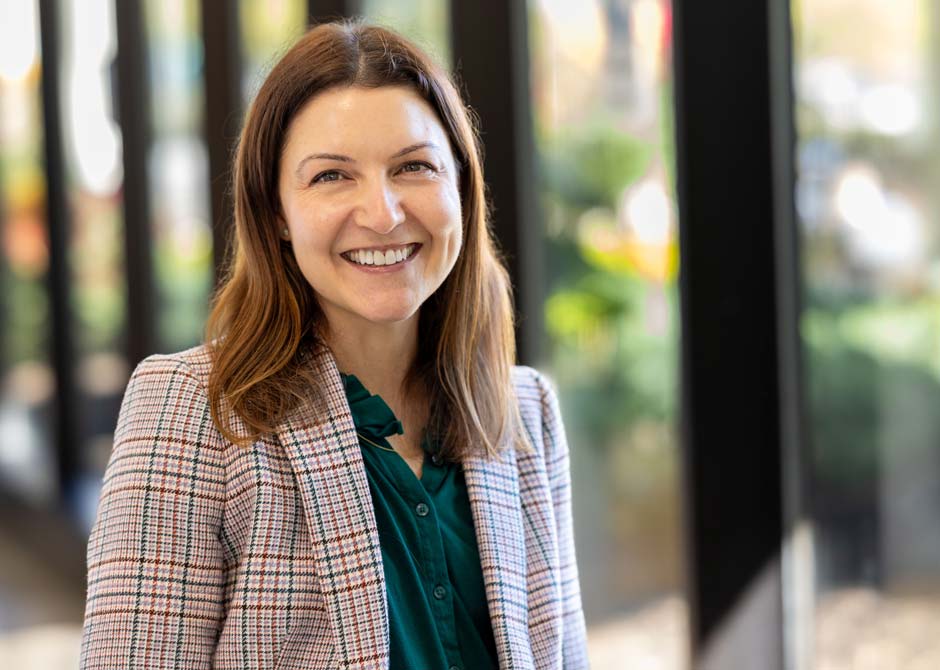
“Patients with congenital colorectal conditions face unique challenges that persist into adulthood,” says Alessandra Gasior, DO, associate clinical professor of Surgery and director of the Colorectal Surgery Program at Ohio State. “Our mission is to provide comprehensive, multidisciplinary care that supports every aspect of their health – bowel management, sexual function, urinary concerns and even obstetric care. We want our patients to thrive, not just survive.”
Launched in 2018, the program is built on a seamless partnership with the Center for Colorectal and Pelvic Reconstruction at Nationwide Children’s Hospital. Adolescents receive annual readiness surveys to assess their transition to adult care, empowering them to become autonomous in their medical decision-making.
“We see transition as a bridge,” Dr. Gasior explains. “By working together over multiple visits, we ensure patients move confidently from pediatric to adult care.”
A unique feature of the program is continuity of care: Patients see Dr. Gasior at both Nationwide Children’s and the Ohio State Wexner Medical Center, benefiting from her dual training in pediatric and adult colorectal surgery. Adult patients at Ohio State can also participate in Nationwide Children’s bowel management programs, further strengthening the collaborative approach.
Recent research from the program highlights its impact. A pilot study of an adult bowel management program for fecal incontinence showed significant improvements in continence rates and quality of life, demonstrating that structured management strategies are effective for adults as well as for children. Additional studies have established standardized processes for transitioning care, with data showing that confidence and independence in healthcare tasks are key predictors of successful transition.
“Our team is dedicated to advancing research and improving outcomes for every patient,” Dr. Gasior says. “By building bridges between pediatric and adult care, we’re helping patients live fuller, healthier lives.”