
Our mission is to help develop our students, residents and faculty to become global citizens. We hope to become a global leader in promoting safe surgical care in underserved communities at home and abroad, through partnerships in education, training, research and innovation.
Global surgery and international experiences
As healthcare becomes increasingly interconnected, our program is committed to training surgeons who are prepared to deliver high-quality care across diverse healthcare systems. Through exposure to different models of care, resource environments, and patient populations, we aim to develop residents who are thoughtful, adaptable, and globally minded. Our goal is to prepare surgeons who can effectively care for diverse populations and contribute meaningfully to improving surgical care, both locally and globally.
Exposing residents to different health systems
At The Ohio State University College of Medicine, our residents have opportunities to participate in a variety of international experiences during their senior years, designed to broaden clinical perspective, enhance adaptability, and deepen understanding of surgical care delivery in varied settings.
Rotations in a High Income County (HIC) setting, where disease conditions are similar to those in the United States, expose residents to complex surgical care in a different health system. In contrast, exposure to surgery in the under-resourced environment of Low- and Middle-Income Country (LMIC) hospitals has the primary goal to help provide care to host communities. In addition, there are possible benefits for our residents as they gain exposure to diseases and treatment approaches not typically seen in the United States and learn how to carefully utilize scarce resources to provide effective surgical care. In both settings, residents develop international professional relationships that will be useful in the future.
Our general surgery elective rotations are purposefully located in teaching institutions, so our residents are able to participate in peer teaching, as well as design and implement scholarly projects in collaboration with residents and faculty in our partner departments of surgery. The Ohio State global surgery electives are designed as ACGME-accredited rotations.
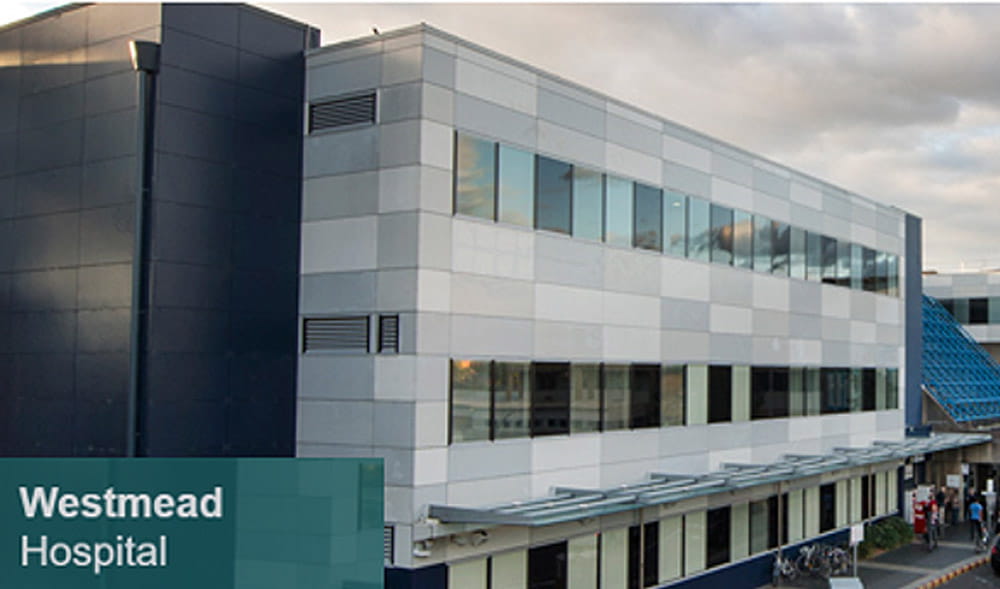
High-Income Country (HIC) Rotation
ACGME-accredited rotations to Westmead Hospital, Sydney, Australia, began in 2017. Westmead Hospital is a 975-bed major tertiary hospital that is affiliated with the Sydney Medical School at the University of Sydney. This rotation provides exposure to complex surgical care within a different healthcare system while maintaining a high level of clinical rigor and educational value over a one-month period.
Low- and Middle-Income Country (LMIC) Rotation
We made our initial successful ACGME-accredited rotation to the Black Lion Hospital/Addis Ababa University, Addis Ababa, Ethiopia in 2018. Following the disruption caused by COVID-19, we are currently in the process of re-establishing our LMIC rotation.
Our program currently offers a one-week global surgery experience in Guatemala, where residents work alongside multidisciplinary teams to provide high- volume bread and butter surgical care in a resource- limited setting. This experience emphasizes hands-on clinical care, cultural humility and collaboration, and has been highly impactful for participating residents.
Surgical Skills Laboratory at Black Lion Hospital, Addis Ababa, with Ohio State residentparticipating as faculty, November 2018.
Global Health Scholars Program
Prior to their global surgery rotation, residents with a strong interest in global surgery are encouraged to participate in the Ohio State Global Health Scholars Program (GHSP), a two-year, multidisciplinary program available across GME programs. The GHSP provides structured training in core global health competencies through a combination of asynchronous learning, in-person didactics, journal clubs, and longitudinal mentorship. Participants engage in experiential learning through global health rotations and complete a scholarly project related to global healthcare or surgical care delivery. This program enhances residents abilities to think critically about healthcare systems, resource utilization, and global surgical disparities, complementing their clinical training and preparing them for future work in global surgery.
Operating Room at Black Lion Hospital, Addis Ababa, November 2018.
Meet our Global Surgery Program Director

Benedict Nwomeh, MD
As director of the Global Surgery Program at Ohio State, Dr. Nwomeh is encouraging residents and faculty to become global citizens and contribute to making safe surgical care available to patients around the world.“This program is important because it teaches physicians about global health issues and better prepares them to treat underserved populations in America and around the world,” he explains. “It is a program aimed at making sure everyone, no matter where they live, has access to safe and high-quality surgical care.”