
Description of Position
We offer a 1 year or 2 year fellowship with focus on minimally invasive treatments of stone disease and HoLEP. Robotic-assisted laparoscopic experience can be tailored to the candidates interest.
Clinical responsibilities
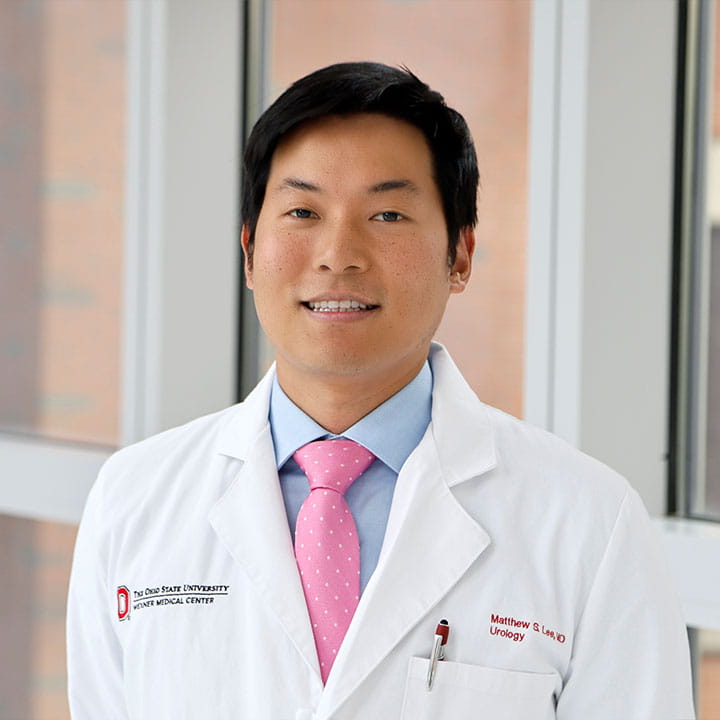
The clinical status of the fellow is at a level above that of a chief resident. The fellow will have graded surgical responsibility and, as deemed appropriate by the supervising physician will be responsible progressively for escalating amount of the operative care of individual cases. The fellow will work with fellowship trained faculty including Bodo Knudsen, Geoffrey Box, Michael Sourial and Matthew Lee.
The fellowship will focus primarily on minimally invasive care of the urologic patient. Procedures that the fellow will train in include extracorporeal shock-wave lithotripsy, ureteroscopy including suction based procedures, standard and mini PCNL with both fluoroscopic and ultrasound guided access, prone and supine PCNL, and outpatient PCNL. The program also provides a robust experience with HoLEP. Robotic assisted laparoscopic procedures will be mentored by Geoffrey Box and including total nephrectomy, laparoscopic pyeloplasty, endopyelotomy and robotic assisted laparoscopic procedures including radical prostatectomy. Based on the fellow’s clinical interests the amount of laparoscopic procedures can be adjusted. If the fellow is primarily interested Stone Disease and HoLEP then the clinical cases can be geared to support this. A Metabolic Stone Clinic working with our partners in Nephrology is also available for fellows interested in developing this aspect of their clinical care.
Fellow will be expected to:
- make daily ward rounds on post-operative patients and be actively involved in their care
- be incorporated into the faculty call rotation, and be an integral part of teaching the residents
Research responsibilities
The fellow will submit, revise, and ultimately have accepted a minimum of 1 IRB protocols.
Meet our Co-Directors and Faculty
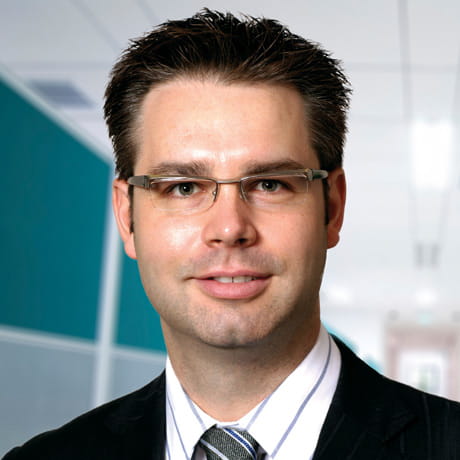
Bodo Knudsen, MD
- Associate Professor of Urology
Co-Fellowship Director, Endourology Fellowship
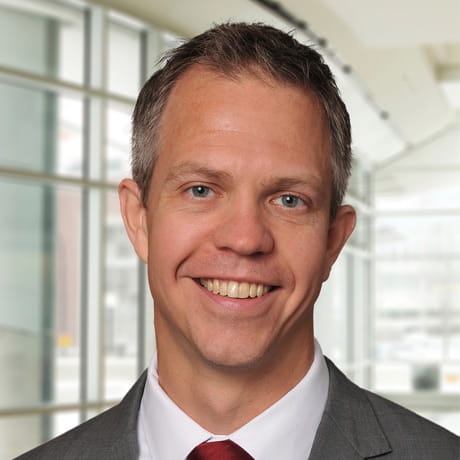
Geoffrey Box, MD
- Associate Professor of Urology
Co-Fellowship Director, Endourology Fellowship
Director of Continuing Medical Education
More about the Endourologic Surgery Fellowship program
-
- Applicants from the United States must have successfully completed an accredited Urology residency program.
- Applicants must be board eligible or board certified at the commencement of the fellowship year. A current Ohio medical license must be obtained.
- Previous evidence of training and clinical experience in basic laparoscopic skills must be documented.
- Letters of recommendation will be required from the individual’s program director and two other individuals familiar with the applicant’s training and performance.
- Non-US applicants will be considered for the position if they are able to obtain an unrestricted license to practice medicine in Ohio and have successfully completed a urology residency. The applicants VISA status must be current and allow for clinical activity.The Ohio State University is an equal opportunity employer. Women, minorities, veterans and individuals with disabilities are encouraged to apply.
- The Ohio State University is an equal opportunity employer, including veterans and disability.
-
- The endourology fellowship program must have an ongoing independent assessment of the following components of the education program: fellow performance (clinical judgement, management strategy, informed consent, operative ability, aftercare and management of complications, critical evaluation of journal articles and research domains), faculty performance, patient care, and program objectives. Well-defined mechanism for evaluation of each of these components must be implemented as well as methods for using the feedback gained for improvement of the program.
- Each program must be subjected to external review by the Fellowship Review Committee. This external review should occur every five years and will ensure that all of the essential elements of the fellowship are available and adhered to by the trainee, the trainer and the host institution.
-
The Endourology Fellowship match is run in partnership with the AUA. After applying through the AUA match link, all applicants are required to send a copy of their application, 3 letters of recommendation and CV via e-mail to the programs that they are applying to as well as Debra Caridi, Endourological Society Fellowship Coordinator, debra@endourologysociety.com
-
View our fellows