
Welcome to the BOOST Medical Student Research Fellowship
The Buckeye Otolaryngology Surgeon-Scientist Training (BOOST) Medical Student Research Fellowship is a funded, full-time, nine-month mentored research experience for medical students considering careers in otolaryngology and academic medicine. Most fellows complete the program between the third and fourth years of medical school.
BOOST fellows join the laboratory of a National Institutes of Health (NIH)-funded faculty member mentor and lead a research project, from its development through dissemination. Along the way, fellows receive structured training in research methods, data collection and analysis, scientific writing, presentation and career development.
At a glance
- Length: Nine months, full time
- Timing: Typically completed between the third and fourth years of medical school
- Start date: July or August 2027
- Positions: Up to three fellows for 2027-28
- Training sites: The Ohio State University Wexner Medical Center and Nationwide Children’s Hospital
- Stipend: $21,168, paid monthly over nine months
- Travel allowance: Up to $3,000 for approved conference travel
- Research allowance: Up to $4,200 for supplies, research cores and other research costs
- Eligibility: Medical students in good academic standing at accredited U.S. medical schools
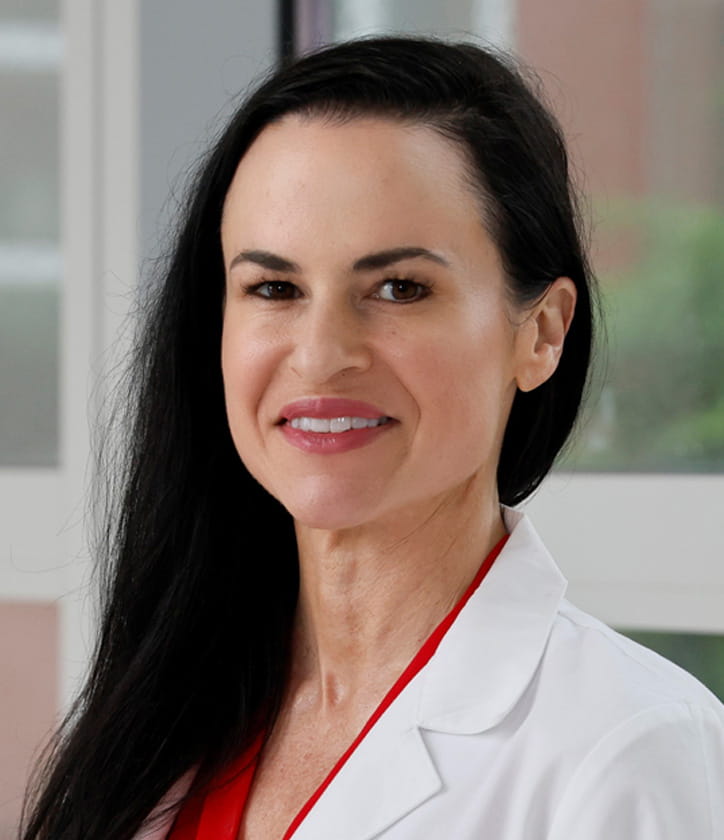
- Program director: Emily K. Plowman, PhD, CCC-SLP, F-ASHA
- Application deadline: November 30, 2026, with rolling review
- Funding: NIH R25 Award R25DC023185
Program leadership

Program overview
The BOOST Medical Student Research Fellowship helps medical students build the skills, experience and professional relationships needed to pursue careers that integrate research with clinical care.
Each fellow works with a primary research mentor who is an NIH-funded investigator and may also receive guidance from clinical faculty in otolaryngology. Fellows lead a mentored project while participating in formal research education, career development and interdisciplinary learning opportunities.
The program supports fellows throughout the research process, from developing hypotheses and securing regulatory approval to collecting and interpreting data. Fellows also learn to communicate their findings through abstracts, presentations and manuscripts.
-
Every BOOST fellow receives:
- Protected, funded research time for nine months
- A primary research mentor who is an NIH-funded investigator
- Opportunities to work with clinical mentors in otolaryngology
- Structured training in research design, biostatistics, responsible conduct of research, scientific writing and grant writing
- Support from a dedicated program statistician
- Participation in journal clubs, weekly Otolaryngology Grand Rounds and research rounds
- Travel support to present research at national meetings
- The option to participate in Mindfulness in Motion wellness programming
-
The BOOST curriculum provides structured training in:
- Research integrity, rigor and reproducibility
- Human and animal subject protections
- Authorship and data management
- Hypothesis and specific-aim development
- Protocol and study design
- Data management and statistical analysis
- Scientific writing and presentation
- Grant writing
- Career planning and professional development
Fellows also participate in training through the Center for Clinical and Translational Science, including Clinical Research Bootcamp webinars and REDCap workshops.
Each fellow creates an Individual Development Plan with their mentors and receives opportunities to build professional connections at national meetings.
What you’ll do in the fellowship
As a BOOST fellow, you will:
- Complete mentored research in at least one otolaryngology laboratory.
- Develop research hypotheses and specific aims.
- Help design protocols and secure required regulatory approvals.
- Lead data collection, management and interpretation.
- Work with mentors and the program statistician to select appropriate analyses.
- Prepare abstracts, posters and oral presentations.
- Develop a first-author manuscript.
- Participate in journal clubs, Otolaryngology Grand Rounds and research rounds.
- Complete midpoint and final progress reviews with your mentoring team.
Each fellow and primary mentor signs a mentoring compact at the beginning of the fellowship to establish expectations, responsibilities and communication practices.
-
The BOOST Medical Student Research Fellowship is a full-time, nine-month experience that typically begins in July or August. Most fellows complete the program during a dedicated research year between the third and fourth years of medical school.
Timing Milestone and activities Apply and match Prepare for the fellowship
Apply to BOOST, interview and meet potential faculty mentors. Selected fellows are matched with a primary research mentor based on research interests and faculty fit.Month one Launch + Onboarding
Begin the fellowship, establish expectations with your mentor and mentoring committee, complete the mentoring compact and Individual Development Plan and begin required research training and project planning.Months two - four Build the Project
Develop hypotheses and specific aims, design the research protocol, complete necessary regulatory steps and begin data collection and management. Participate in ongoing research training, journal clubs, Otolaryngology Grand Rounds and research rounds.Month five Midpoint Review
Meet with your mentoring team to review progress, discuss project goals and evaluate professional development at the fellowship midpoint.Months six - nine Analyze and Share Results
Continue data collection as needed, analyze and interpret results and work with mentors and statistical support to prepare research findings for dissemination. Develop abstracts, posters, oral presentations and a first-author manuscript.Fellowship completion Present, Publish, Review
Complete a final presentation, first-author manuscript and final fellowship review with your mentoring team.Fellows devote protected time to their mentored research projects and participate in recurring educational activities, including:
- Weekly Otolaryngology Grand Rounds
- Weekly research rounds
- At least one journal club each month
- Center for Clinical and Translational Science training
- Meetings with research mentors and mentoring committees
- Midpoint and final fellowship reviews
-
BOOST fellows train in an interdisciplinary research environment supported by experienced investigators, clinical faculty members and dedicated research resources.
Program benefits include:
- Mentorship from NIH-funded investigators
- Opportunities for clinical mentorship in otolaryngology
- Dedicated statistical support
- Funding for research supplies and approved research services
- Travel support for presentations at national meetings
- Training in clinical and translational research methods
- Experience developing presentations and a first-author manuscript
- Career development and networking opportunities
- Access to research experiences at The Ohio State University Wexner Medical Center and Nationwide Children’s Hospital
-
Every BOOST fellow selects a primary research mentor and develops a mentoring committee that may include clinical faculty members. Applicants do not need to select a mentor before applying. The program team helps selected fellows identify a mentor whose expertise aligns with their interests and career goals.
Primary research mentors
- Tendy Chiang, MD: Airway regeneration
- Shuman He, MD, PhD: Human auditory evoked potentials
- Daniel Merfeld, PhD: Vestibular research
- Emily K. Plowman, PhD, CCC-SLP, F-ASHA: Aerodigestive and swallowing research
- James W. Rocco, MD, PhD: Head and neck cancer research
- Andreas Wieland, PhD: Tumor immunology
- Ruili Xie, PhD: Auditory neuroscience
- Kai Zhao, PhD: Nasal physiology, smell and taste, surgical simulation and artificial intelligence
-
 Emery Monnig
2026-27 BOOST Medical Student Fellow
Emery Monnig attends the Icahn School of Medicine at Mount Sinai. Mentored by Emily Plowman, PhD, and Tendy Chiang, MD.
Emery is investigating clinical biomarkers of dysphagia following lung transplantation and the impact of lingual strength and frailty on postoperative mortality.
-
Do I have to be an Ohio State medical student?
No. BOOST welcomes students from any accredited U.S. medical school.
Do I need prior research experience?
Prior research experience is considered during the application review but is not required. Applicants should describe their relevant experience and what they hope to learn through the fellowship.
Do I need to choose a mentor before applying?
No. Applicants may identify preferred mentors, but the program helps selected fellows find faculty mentors whose research aligns with their interests and goals.
Is housing provided?
No. Fellows arrange their own housing in Columbus. The fellowship stipend is paid monthly to support living expenses.
How to apply and requirements
-
Applicants must:
- Be enrolled in good academic standing at an accredited U.S. medical school.
- Arrange a dedicated research year or leave of absence with their home medical school.
- Be a U.S. citizen, non-citizen national or lawful permanent resident at the time of appointment, as required for NIH R25 support.
Students from any accredited U.S. medical school are welcome to apply.
-
Email the following materials to Program Director Emily Plowman, PhD, at emily.plowman@osumc.edu.
Use the subject line: BOOST Fellowship Application – Your Last Name
Combine your curriculum vitae, personal statement and transcript into one PDF.
Submit:
- Curriculum vitae
- Personal statement: Up to two pages describing your interest in the fellowship, career goals, previous research experience, research interests and preferred faculty mentor, if known.
- Two letters of reference: Letter writers may email their letters directly to the program director.
- Academic transcripts: Unofficial copies are acceptable.
Applications are due November 30, 2026, and are reviewed on a rolling basis until available positions are filled.
-
Applications are reviewed by the program directors and steering committee. Review considerations include:
- Academic record
- Research experience and productivity
- Alignment with NIDCD research areas
- Letters of recommendation
- Mentorship support and faculty fit
- Potential to pursue a career as a surgeon-scientist
- Highly ranked applicants are invited to interview and meet potential faculty mentors. Applications are reviewed on a rolling basis until available positions are filled.
Questions about the BOOST Medical Student Research Fellowship?
Contact Program Director Emily Plowman, PhD, at emily.plowman@osumc.edu.
NIH Award: R25DC023185.