
Welcome to the BOOST Resident Research track
The Buckeye Otolaryngology Surgeon-Scientist Training Program (BOOST) offers a six-year research track for resident physicians interested in pursuing careers as surgeon-scientists. Supported by a National Institutes of Health (NIH) R25 Award from the National Institute on Deafness and Other Communication Disorders (NIDCID), BOOST combines otolaryngology training with protected research time, structured mentorship and career development. Participants gain experience in grant writing, research ethics and translational investigation while working alongside faculty member mentors across hearing, balance, voice and related fields.
Program overview
Beginning with the 2027 Residency Match, the Department of Otolaryngology – Head and Neck Surgery will offer one, six-year-long BOOST research track position within a class of six resident physicians. The track is designed for applicants who plan to lead academic careers and who want to develop the skills needed to become independent surgeon-scientists.
BOOST residents complete PGY-1, leave the residency program for a full-time, 12-month research year and return to the residency program as PGY-2 residents in their third program year.
-
Year 1, PGY-1
Residents complete a four-week research block to rotate through BOOST laboratories, choose a primary faculty member mentorand begin regulatory approvals.
Year 2, research year
Residents complete a full-time, 12-month research year with no clinical duties, supported by the NIDCD R25 Award.
Year 3, PGY-2
Residents complete a two-month research block to finish publications and present at meetings.
Year 4, PGY-3
Residents complete a two-month research block to continue publications and prepare grant applications.
Year 5, PGY-4
Residents complete a one-month research block to continue research and grant submissions.
Year 6, PGY-5
Residents complete clinical training.
BOOST residents are designated as PGY-1 through PGY-5. The research year falls between PGY-1 and PGY-2 and does not count as a PGY year. The track meets ACGME accreditation requirements for four and a half years of clinical training and follows NIDCD R25 Award program guidelines.
Every BOOST resident is supported with:
- Protected, funded research time, including a dedicated 12-month research year.
- A primary research mentor and mentoring committee, guided by an Individual Development Plan and annual reviews.
- Tuition-waived coursework through The Ohio State University College of Medicine’s master of medical science degree program.
- Training in research design, biostatistics, responsible conduct of research, scientific writing and grant writing.
- Support from a dedicated program statistician.
- Research presentations at research rounds and Grand Rounds.
- Center for Clinical and Translational Science workshops, including grant-writing and professional development programming.
- Progressive mentorship training, including opportunities to co-mentor a BOOST medical student and serve as a resident mentor.
- A $1,500 annual educational stipend from the department, totaling $9,000 over six years.
- Travel support to present at national meetings.
- Mindfulness in Motion wellness programming.
-
Each BOOST resident chooses a primary research mentor and builds a mentoring committee that may include clinical faculty members. Applicants do not need to select a mentor before applying. The program team will help selected residents identify an appropriate match.
Primary research mentors
- Tendy Chiang, MD: Airway regeneration
- Shuman He, MD, PhD: Human auditory evoked potentials
- Daniel Merfeld, PhD: Vestibular research
- Emily K. Plowman, PhD, CCC-SLP, F-ASHA: Aerodigestive and swallowing research
- James W. Rocco, MD, PhD: Head and neck cancer research
- Andreas Wieland, PhD: Tumor immunology
- Ruili Xie, PhD: Auditory neuroscience
- Kai Zhao, PhD: Nasal physiology, smell and taste, surgical simulation and artificial intelligence
-
Is this a separate residency position?
Yes. Beginning with the 2027 Residency Match, one of the six residency positions will be designated for the six-year BOOST research track.
When does the research year occur?
The full-time research year occurs between PGY-1 and PGY-2. Residents return to the residency program as PGY-2 residents in their third program year.
Does the research year count as a PGY year?
No. BOOST residents are designated PGY-1 through PGY-5. The research year does not count as a PGY year.
Can applicants also apply to the categorical residency program?
Yes. Applicants may apply to both the separate BOOST research track and the categorical Otolaryngology Residency Program.
How to apply and requirements
-
How to apply
Applicants will apply through ERAS to the separate BOOST research track and may also apply to the categorical Otolaryngology Residency Program.
Eligibility requirement
NIH R25 eligibility requires U.S. citizenship, non-citizen national status or lawful permanent residence.
Program leadership
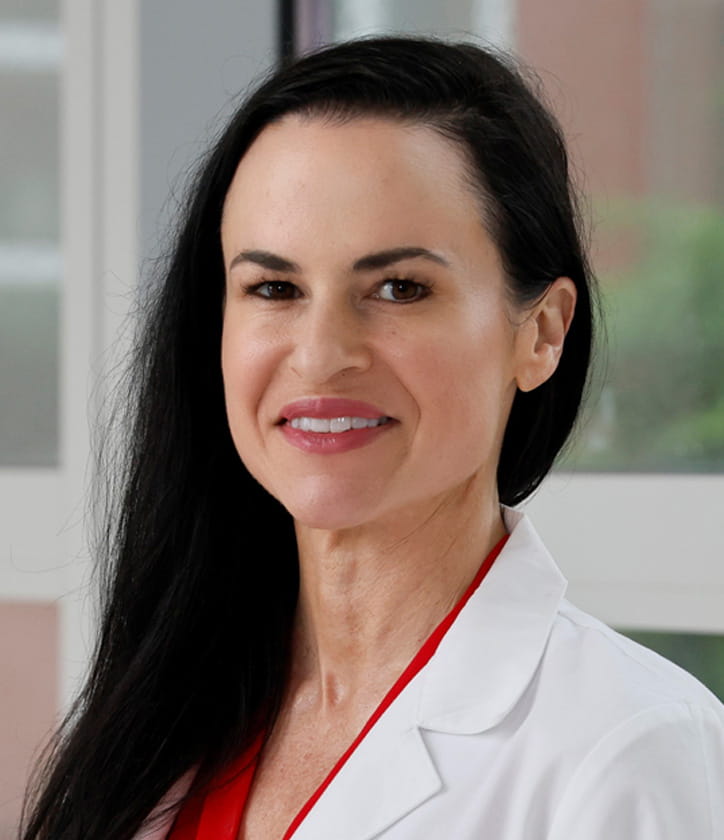

Questions about the BOOST Resident Research Track?
Contact Program Director Emily Plowman, PhD, at emily.plowman@osumc.edu.
NIH Award: R25DC023185.
The Buckeye experience

Discover residency and fellowship at Ohio State
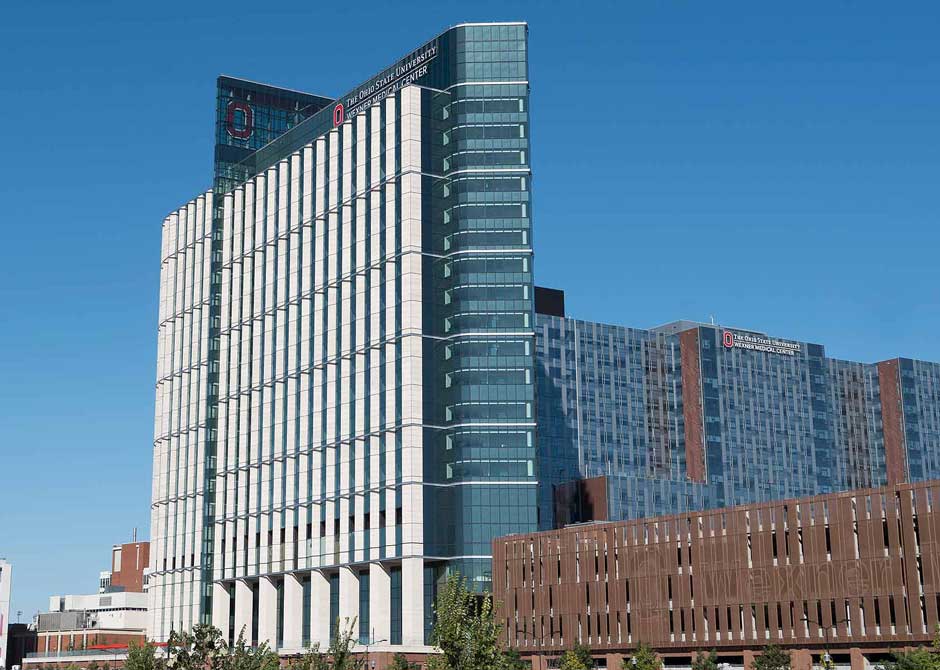
Residents and fellows at The Ohio State University Wexner Medical Center train in a nationally ranked, collaborative environment offering broad clinical experiences, strong mentorship, world-class facilities, and life in vibrant Columbus.
Why choose Ohio State
The Ohio State University College of Medicine is part of a nationally ranked academic medical center where leadership is transforming health through top-ranked specialties, cutting-edge research, and community-focused care across areas like pediatrics, neuroscience, cancer, and cardiovascular health.

About Columbus
At The Ohio State University College of Medicine, we’re dedicated to transforming the health of our communities through inclusive and innovative education, discovery and care.