
About Us
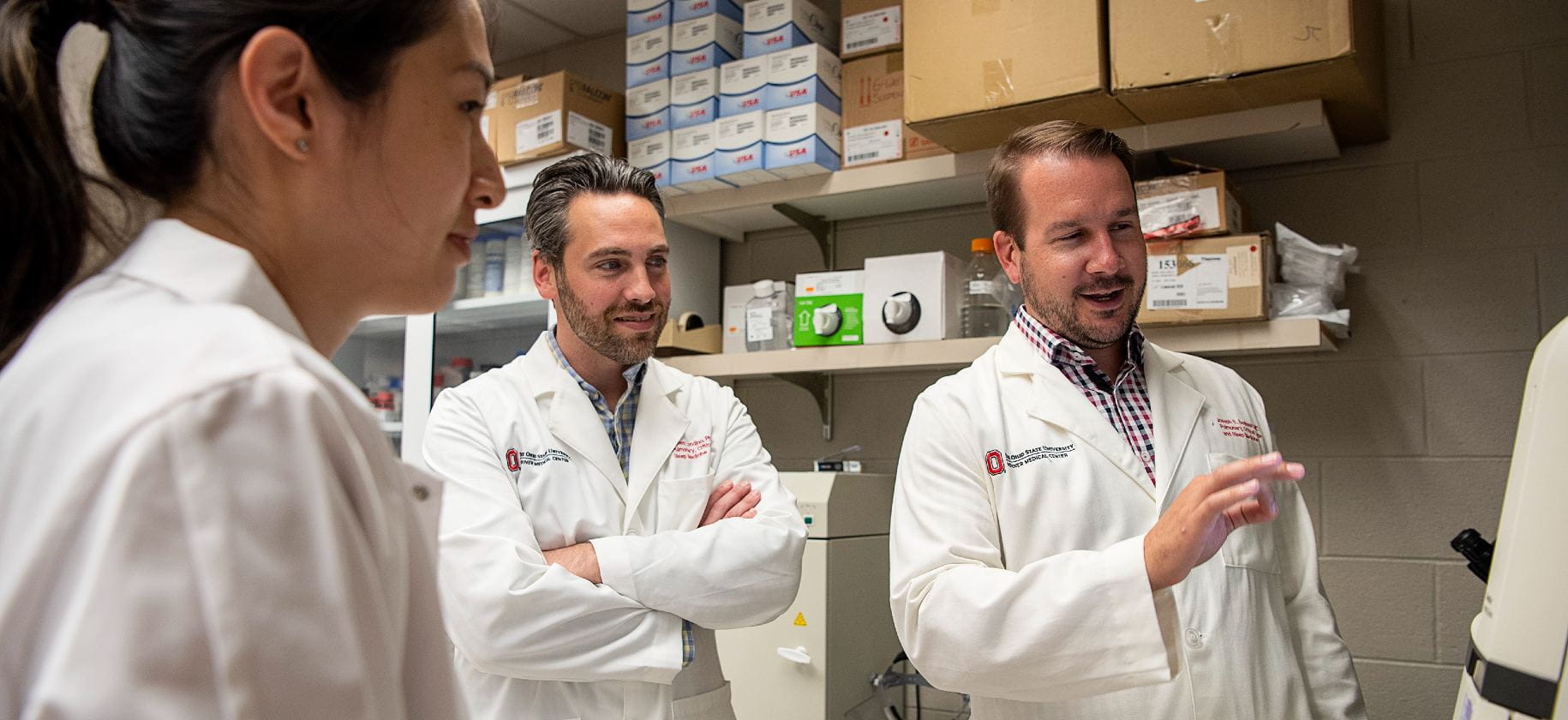
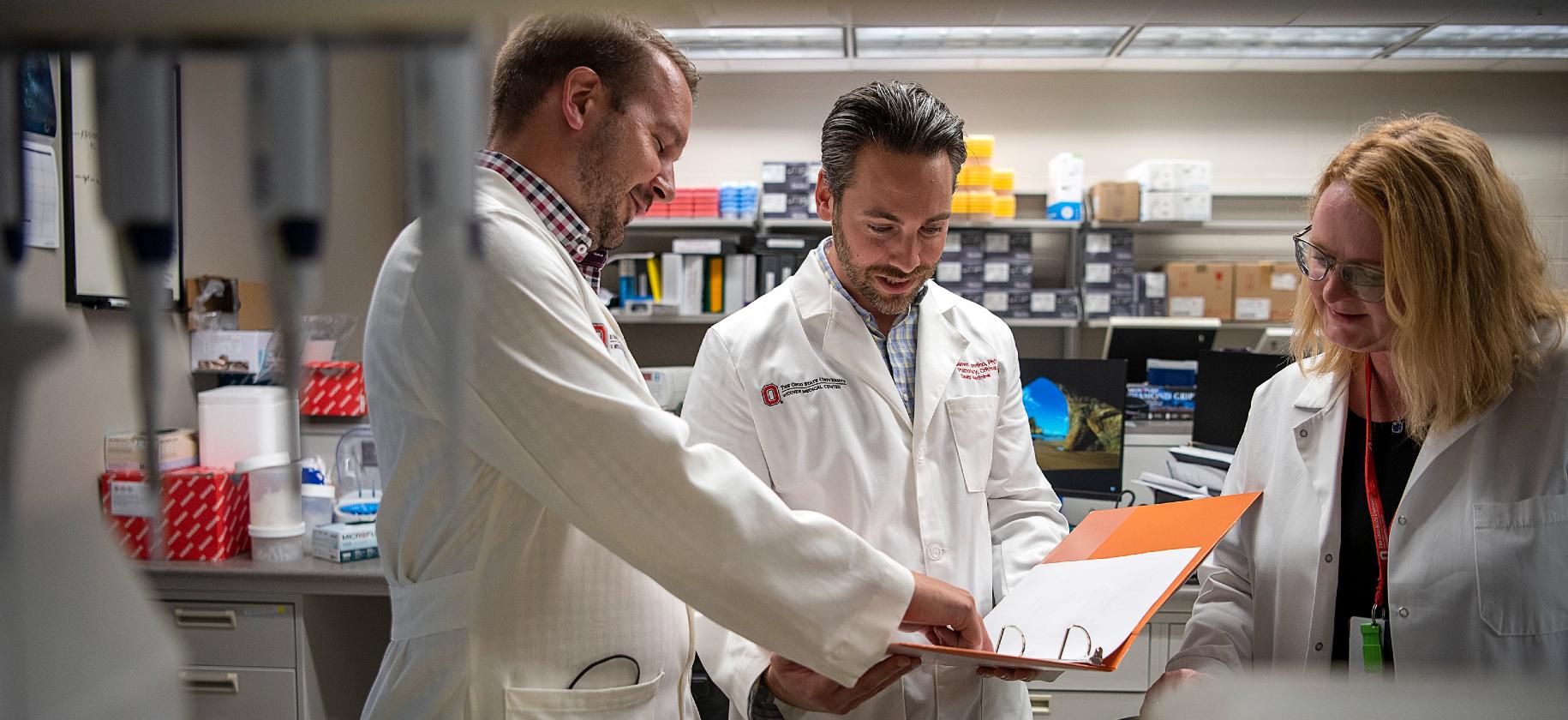
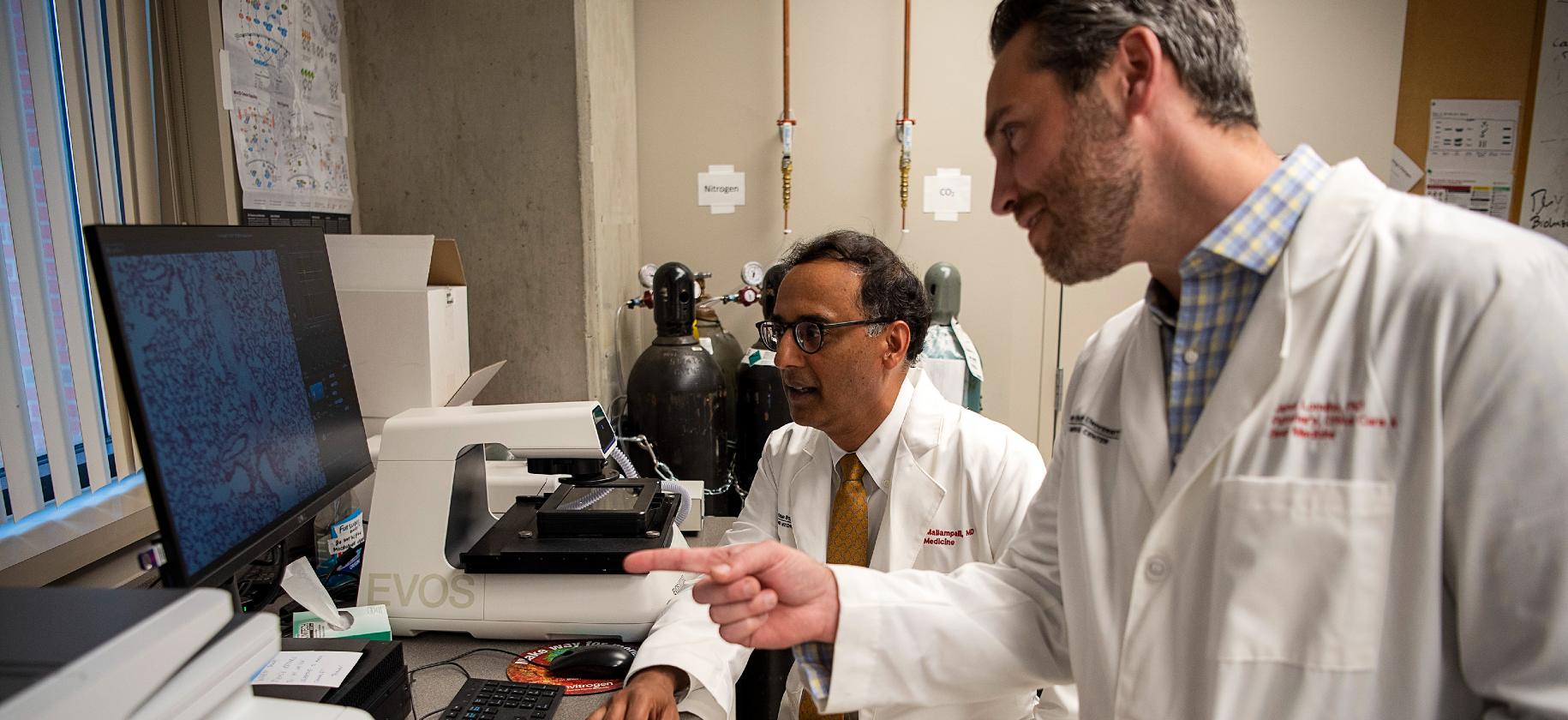
The Acute Lung Injury (ALI) Center, directed by Rama Mallampalli, MD, is a specialized research center focused on understanding the basic lung biology of pulmonary inflammation and development of novel therapeutics. Through collaborative projects involving clinical faculty and experts in lung biology, the laboratory spans the spectrum of discovery including basic, translational and clinical research.
Dr. Mallampalli is an internationally recognized investigator in the area of lipid metabolism and ubiquitin-mediated proteolysis as it relates to inflammation lung injury and cell metabolism. His research program discovered a unique model for the molecular behavior of ubiquitin E3 ligase subunits that control inflammation. Dr. Mallampalli’s laboratory designed, synthesized and tested the first-in-class genus of ubiquitin E3 ligase (F box) inhibitors that modulate proteolysis thereby inhibiting inflammation in preclinical models of ALI and multi-organ failure. He currently leads an NIH Program Project grant (P01) in ALI and holds multiple NIH R01 grants to understand the basic pathobiology of inflammatory lung disease to develop drug therapies to combat injurious inflammation.
Lab Members
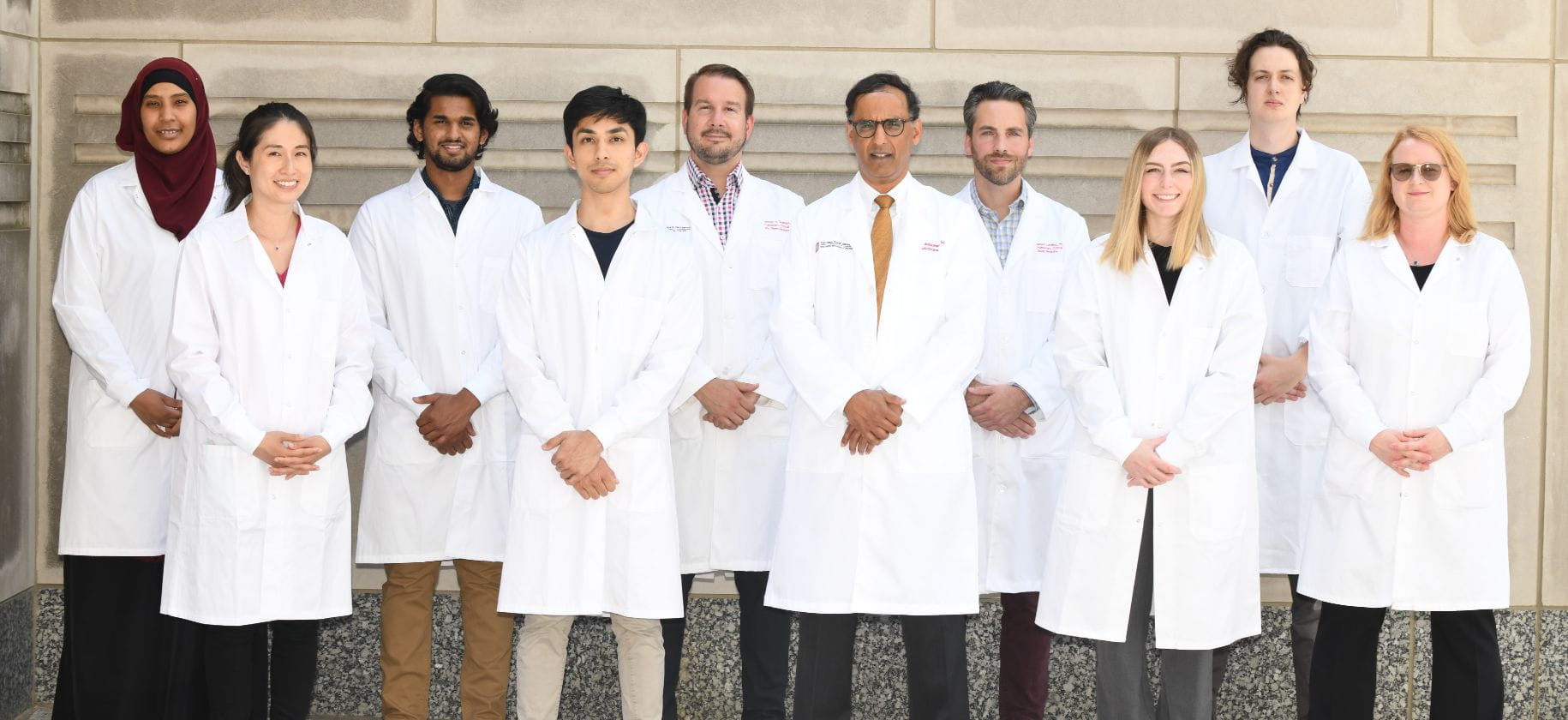
Faculty

Rama Mallampalli, MD
- S. Robert Davis Chair of Medicine Professor and Chair, Department of Internal Medicine Director, ALI Center



Staff
Daniela Farkas
Lab Manager
Jessica Adair
Research Associate
Ajit Elhance
Research Assistant
Finny Johns
Research Assistant
Wissam Osman
Research Assistant
Lexie Chafin
Research Assistant
Benjamin Johnson
Graduate Student
More about the Acute Lung Injury (ALI) Center
-
Publications
-
- Chen BB, Coon TA, Glasser JR, McVerry BJ, Zhao J, Zhao Y, Zou C, Ellis B, Sciurba FC, Zhang Y, Mallampalli RK. A combinatorial F box protein directed pathway controls TRAF adaptor stability to regulate inflammation. Nat Immunol. 2013 May;14(5):470-9. doi: 10.1038/ni.2565. Epub 2013 Mar 31. PMID: 23542741; PMCID: PMC3631463.
- Ray NB, Durairaj L, Chen BB, McVerry BJ, Ryan AJ, Donahoe M, Waltenbaugh AK, O’Donnell CP, Henderson FC, Etscheidt CA, McCoy DM, Agassandian M, Hayes-Rowan EC, Coon TA, Butler PL, Gakhar L, Mathur SN, Sieren JC, Tyurina YY, Kagan VE, McLennan G, Mallampalli RK. Dynamic regulation of cardiolipin by the lipid pump Atp8b1 determines the severity of lung injury in experimental pneumonia. Nat Med. 2010 Oct;16(10):1120-1127. doi: 10.1038/nm.2213. Epub 2010 Sep 19. PMID: 20852622; PMCID: PMC4500192.
- Han S, Mallampalli RK. Sizing up surfactant synthesis. Cell Metab. 2014 Aug 5;20(2):195-6. doi: 10.1016/j.cmet.2014.07.015. PMID: 25100056; PMCID: PMC4150389.
- Zou C, Li J, Xiong S, Chen Y, Wu Q, Li X, Weathington NM, Han S, Snavely C, Chen BB, Mallampalli RK. Mortality factor 4 like 1 protein mediates epithelial cell death in a mouse model of pneumonia. Sci Transl Med. 2015 Oct 28;7(311):311ra171. doi: 10.1126/scitranslmed.aac7793. PMID: 26511508; PMCID: PMC4758684.
- Bednash JS, Weathington N, Londino J, Rojas M, Gulick DL, Fort R, Han S, McKelvey AC, Chen BB, Mallampalli RK. Targeting the deubiquitinase STAMBP inhibits NALP7 inflammasome activity. Nat Commun. 2017 May 11;8:15203. doi: 10.1038/ncomms15203. PMID: 28492230; PMCID: PMC5437278.
- O’Brien ME, Londino J, McGinnis M, Weathington N, Adair J, Suber T, Kagan V, Chen K, Zou C, Chen B, Bon J, Mallampalli RK. Tumor Necrosis Factor Alpha Regulates Skeletal Myogenesis by Inhibiting SP1 Interaction with cis-Acting Regulatory Elements within the Fbxl2 Gene Promoter. Mol Cell Biol. 2020 May 28;40(12):e00040-20. doi: 10.1128/MCB.00040-20. PMID: 32205409; PMCID: PMC7261720.
- Liu Y, Jurczak MJ, Lear TB, Lin B, Larsen MB, Kennerdell JR, Chen Y, Huckestein BR, Nguyen MK, Tuncer F, Jiang Y, Monga SP, O'Donnell CP, Finkel T, Chen BB, Mallampalli RK. A Fbxo48 inhibitor prevents pAMPKα degradation and ameliorates insulin resistance. Nat Chem Biol. 2021 Mar;17(3):298-306. doi: 10.1038/s41589-020-00723-0. Epub 2021 Jan 25. PMID: 33495648.
-
The laboratory research focuses on identifying the molecular mechanisms that regulate acute lung injury. We utilize biochemical and omics approaches to examine lung injury using in vitro and in vivo models with an emphasis on understanding post-translational modifications and the ubiquitin system. We then leverage these discoveries to develop novel therapeutics.
COVID-19 and ARDS (Project 1)
Utilizing human samples from COVID-19 patients, novel small animal models of COVID-19 ARDS (acute respiratory distress syndrome) and cell-based systems, we are studying the host response to COVID-19 and those factors that confer resiliency to SARS-CoV-2 infection.
Immunosuppression in Acute Lung Injury (Project 2)
A heterogenous disease, ARDS is characterized by an early inflammatory stage and a late immunosuppressed stage, whereby immune responses are dysregulated, and hosts are susceptible to secondary infection.
Ubiquitin E3 Ligases in ARDS (Project 3)
Ubiquitination is a post-translational modification that tags proteins for degradation or alternate cellular trafficking. Alterations in protein abundance or “proteostasis” plays an important role in numerous cell functions including response to external stimuli and regulation of inflammation. Through study of the molecular mechanisms by which E3 ligases regulate disease, we aim to identify therapeutic targets to combat ARDS.
Interferon Signaling in Viral Infection (Project 4)
Examination of the posttranslational modification of interferon receptors to alter interferon signaling and alleviate viral replication and pathogenesis.
-
“Regulation of the Interferon Lambda Receptor by Influenza”
Principal Investigator: R.K. Mallampalli, MD
Agency: NIH/NHLBI
Type: NHLBI/R01 HL081784-12
Period: Jul 2014 to Jun 2025“Immunosuppression in Acute Lung Injury”
Principal Investigator: R.K. Mallampalli, MD
Agency: NIH/NHLBI
Type: NHLBI P01 HL114453-06
Period: Jun 2019 to Jan 2024This Program Project Grant investigates the molecular mechanisms of impaired host innate immunity in ARDS. It studies an acetyltransferase (Project 1), effector cell death (Project 2), myeloid suppressor cells (Project 3), and complement (Project 4) and provides the PPG with administrative, biorepository, and imaging support (Cores A-C).
“Stabilizing Mitochondria in Sepsis”
Principal Investigator: R.K. Mallampalli, MD
Agency: NIH/NHLBI
Type: NHLBI R01 HL098174-06
Period: Jul 2017 to Jun 2022This award is limited to investigation of the effect of AMPK (AIM1) and its turnover (AIM 2) in ARDS.
“F box-Induced Acute Lung Injury and Parkin”
Principal Investigator: R.K. Mallampalli, MD
Agency: NIH/NHLBI
Type: NHLBI R01 HL096376-03
Period: Apr 2016 to Mar 2021This award is limited to investigation of the effect of Parkin degradation on mitochondria (AIM1) and small molecule stabilizers of Parkin in ALI (AIM 2).
“A New Genus of Ubiquitin-Based Anti-inflammatories for COPD”
Principal Investigator: R.K. Mallampalli, MD
Agency: NIH/NHLBI
Type: CADET II 1UH2HL123502-05
Period: Jul 2014 to Jun 2021This award is limited to investigation of synthesis and testing of F box inhibitors (UH2), and its evaluation of pharmacokinetic and pharmacodynamics to IND enabling status in COPD.
“Medical Scientist Training Program – The Ohio State University”
Principal Investigator: R.K. Mallampalli, MD (contact); G. Bumgardner, MD
Agency: NIH/NIGMS
Type: 1T32GM139784
Period: Jul 2021 to Jun 2026This award is support the training of dual-degree (MD-PhD) physician-scientists at The Ohio State University.
Research Openings
-
A postdoctoral scholar position is available in the Division of Pulmonary and Critical Care Medicine with a focus in acute lung injury, within a multidisciplinary research program investigating fundamental mechanisms in lung injury and repair utilizing advanced tools in molecular, biochemical and clinical investigation, synergizing basic and translational discoveries. The successful candidate will hold a PhD and/or an MD, with two years of postdoctoral experience preferred. Proficiency in molecular biology methods is necessary, and expertise in Inflammation/ubiquitination biology and animal models of acute lung injury are preferred. The candidate will use established laboratory protocols and develop new protocols as well. They will provide quality control for experiments, research new methods, review the scientific literature, collect and analyze data, prepares manuscripts for publication, and assist with development of grant applications. The candidate will guide and train students and lab staff in laboratory techniques as needed and work collaboratively with other laboratory staff. Salary is dependent upon the applicant’s experience and follows National Institutes of Health guidelines.
Please forward your CV to Daniela Farkas (lab manager) at Daniela.Farkas@osumc.edu.
Collaborators

Laszlo Farkas, MD
- Associate Professor of Medicine, Division of Pulmonary, Critical Care and Sleep Medicine
External Collaborators

Valerian Kagan, PhD, DSc
- Professor, Environmental and Occupational Health Vice Chair of Research, Environmental and Occupational Health University of Pittsburgh

Janet So-Jung Lee, MD
- Pulmonary, Allergy and Critical Care Medicine Professor of Medicine Director, Acute Lung Injury Center of Excellence, UPMC Chair in Acute Lung Injury University of Pittsburgh

Prabir Ray, PhD
- Pulmonary, Allergy and Critical Care Medicine Professor of Medicine and Immunology UPMC Endowed Chair in Lung Immunology University of Pittsburgh

Anuradha Ray, PhD
- Pulmonary, Allergy and Critical Care Medicine Professor of Medicine and Immunology UPMC Endowed Chair in Lung Immunology University of Pittsburgh
Contact Information
Daniela Farkas
Lab Manager
Daniela.farkas@osumc.edu
Mallampalli Lab
Davis Heart and Lung Research Institute
Room 524/525
473 W. 12th Ave.
Columbus, OH 43210