Division Director
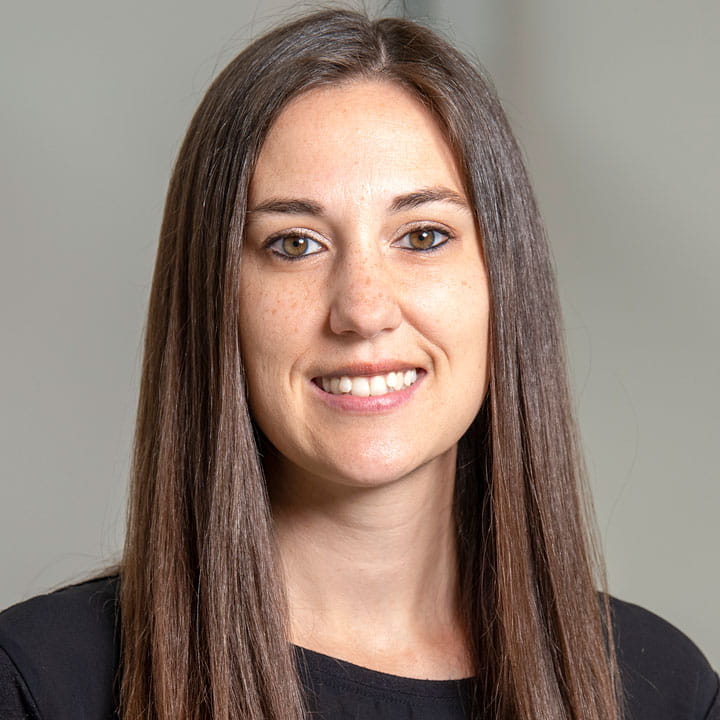
Stephanie Gorka, PhD
Director, Division of Risk and Resilience
Associate Professor, Department of Psychiatry & Behavioral Health
Institute of Brain, Behavior and Immunology
Division goals
The Division of Risk and Resilience focuses on conducting innovative research focused on understanding the individual and social factors that promote growth and resilience, while also translating scientific discoveries into practical strategies to improve the lives of individuals and communities.
Division highlights
- State-of-the art psychological treatments: The latest evidence-based care is provided to individuals who have experienced trauma, suicidal thoughts or suicidal behaviors.
- Innovative treatment delivery models: We have been able to significantly reduce symptoms of posttraumatic stress disorder (PTSD) in less than two weeks.
- Research collaboration: Partnership and communication with science, technology, engineering and mathematics (STEM) researchers has supported development of cutting-edge methods for identifying and rapidly treating psychological conditions.
- Trauma and suicide advancements: Our team of internationally recognized researchers and experts in trauma and suicide prevention work relentlessly to discover the next life-changing breakthrough.
- Comprehensive education: We are dedicated to providing training opportunities at the graduate, intern and postgraduate level, including students, residents and fellows.
Risk and resilience leadership
- Suicide Prevention (Craig Bryan, PsyD, ABPP)
- Trauma (Craig Bryan, PsyD, ABPP)
- Addiction (TBD)
Division programs
- Suicide prevention: Our researchers have developed treatments proven to reduce suicide attempts by up to 76% and have designed new methods for identifying patients in need. Our clinicians use these cutting-edge methods to help individuals rapidly resolve suicidal crises and create meaningful lives.
- Trauma: Our researchers and clinicians have pioneered the creation of new, intensive treatment programs shown to significantly reduce PTSD symptoms for over 70% of patients in three months or less.
- Addiction: Our program pursues clinical, educational and research endeavors in collaboration with other Ohio State University Wexner Medical Center departments, such as Internal Medicine, Family and Community Medicine, and Emergency Medicine, as well as community partners to provide:
- Evidence-based treatment for substance use disorders
- Help identifying those at risk of developing a disorder
- Subspecialty physician training through our ACGME-approved addiction medicine fellowship
- Review our system-wide Addiction Services listing